FCC Approves More Drone Exemptions—Here’s How the Process Works
BY Zacc Dukowitz
18 June 2026The FCC has granted exemptions from its ban on new foreign drones to several more drone companies.
The new companies are:
- ACSL
- XAG
- Anzu Robotics
- Gremsy
- Hextronics
With these exemptions, we’re starting to get a clearer picture of how foreign drone companies—and U.S. companies that rely on foreign drone components—will be able to continue selling drones in the U.S.
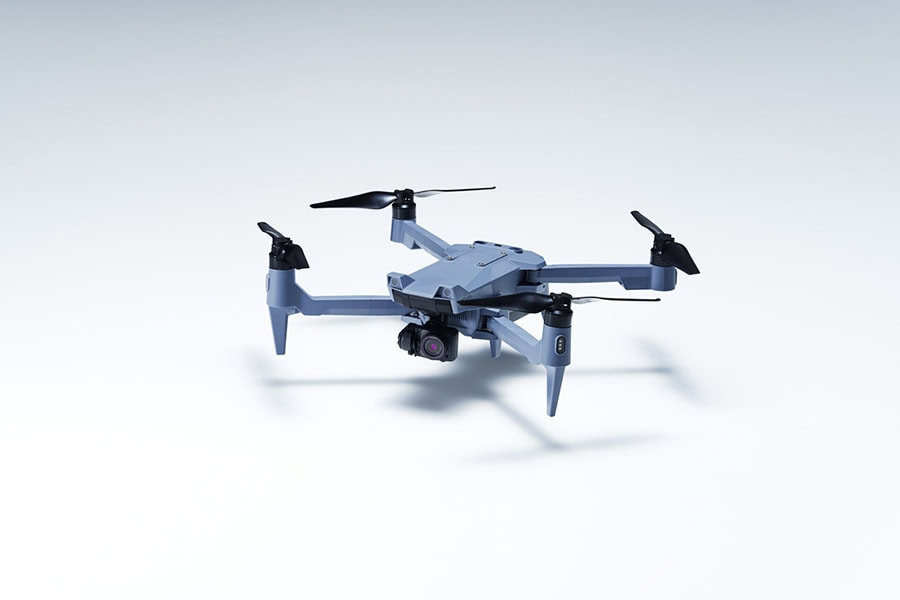
The ACSL Soten drone | Credit: ACSL
Why Do These Companies Need Exemptions?
The FCC effectively banned all new foreign drones at the end of 2025.
At the time, a ban on DJI was anticipated.
But the agency went much further, moving to automatically place all new, foreign-made drones on its Covered List. Doing this makes it impossible for these drones to get FCC authorization for sale in the U.S.—effectively banning them.
When the FCC did this, it said it was working on a process for companies to apply for exemptions so they could get around the ban.
And the agency came through on this quickly. The first approvals arrived in January, just weeks after the new policy took effect.
Since then, we’ve been seeing a steady stream of companies getting these exemptions, including the most recent ones listed above.
Are DJI and Autel banned? What about other foreign drones?
No. Drones from DJI, Autel, and other foreign drone companies aren’t all banned.
Any drone that already received FCC approval—including drones from DJI, Autel, and other foreign companies—can continue to be sold in the U.S.
But these companies can’t get FCC authorization for new drones. So, for example, if DJI releases a Mavic 5 Pro (the current version is the Mavic 4 Pro) it will not be able to sell it in the U.S. Check out our DJI Ban guide for the details.
Note: We’re using the term “ban” loosely here. No companies are specifically banned. But the FCC’s move to place all new foreign drones on its Covered List effectively acts like a ban.
Which Drone Companies Have Received FCC Exemptions?
The FCC’s exemption framework includes both company-wide approvals and product-specific approvals.
So far, 16 companies have received company-wide exemptions, and 4 specific drone models or product lines have been approved.
Here’s the full list:
| Company or system | Approval type | FCC action timing |
|---|---|---|
| Parrot | Company-wide | January 2026 |
| Teledyne FLIR | Company-wide | January 2026 |
| Neros Technologies | Company-wide | January 2026 |
| Wingtra | Company-wide | January 2026 |
| Auterion | Company-wide | January 2026 |
| ModalAI | Company-wide | January 2026 |
| Zepher Flight Labs | Company-wide | January 2026 |
| AeroVironment | Company-wide | January 2026 |
| Blueflite | Company-wide | Later 2026 |
| Verity AG | Company-wide | Later 2026 |
| Air VEV | Company-wide | Later 2026 |
| SiFly | Q12 only | March 2026 |
| Mobilicom | SkyHopper line only | March 2026 |
| ScoutDI | Scout 137 only | March 2026 |
| Verge | X1 only | March 2026 |
| Anzu Robotics | Company-wide | Recent 2026 |
| Gremsy | Company-wide | Recent 2026 |
| Hextronics | Company-wide | Recent 2026 |
| ACSL | Company-wide | Recent 2026 |
| XAG | Company-wide | Recent 2026 |
While the list continues to grow, it’s still relatively small compared to the number of drone makers selling products globally.
That’s one reason each new approval announcement has drawn so much attention. For companies hoping to introduce new products in the U.S., receiving an exemption has become increasingly important.
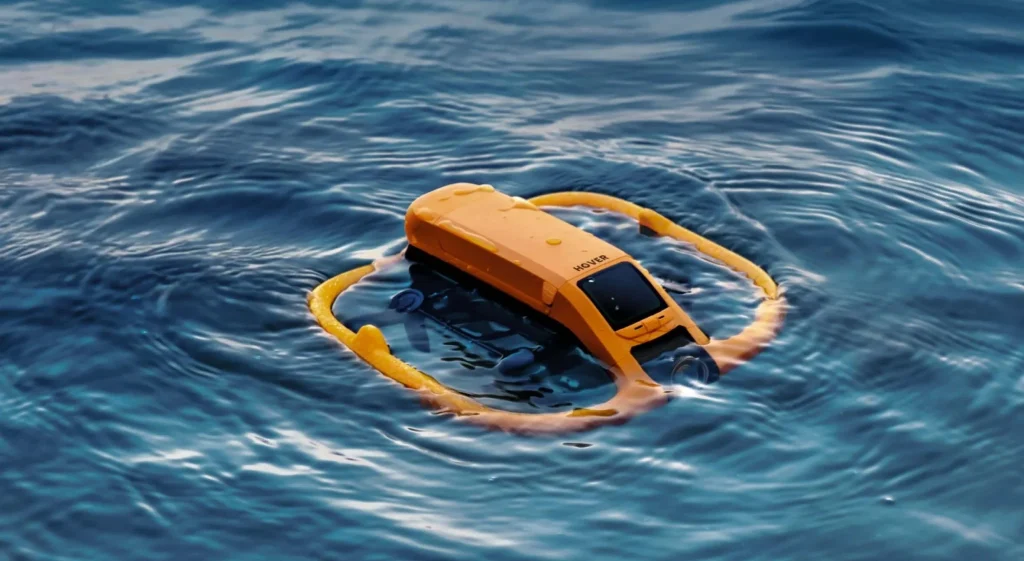
The new HoverAir Aqua waterproof drone hasn’t received FCC approval—and may never get it
How the FCC’s Drone Exemption Process Works
The FCC’s drone exemption process works in two ways:
- Category-based exemptions. All UAS and UAS components on the Blue UAS Cleared List, plus those that qualify as domestic end products, are automatically exempt. No separate company approval is needed.
- Named company or model approvals. The FCC can grant relief to specific manufacturers or systems after review. These are the companies and products listed in the table above.
That mix means the exemption framework isn’t just a roster of approved companies.
Some drones qualify because they fit a broader category established by the FCC, while others may receive individual approvals after review.
To get an individual approval, drone companies must apply for relief and provide information about their ownership, operations, and products.
A company-wide exemption can allow a manufacturer to sell multiple drones in the U.S., while a product-specific approval applies only to the systems named in the FCC’s order.
The Exemption Process Seems to Be Reshaping the Drone Industry
The FCC’s exemption framework is still new, but it’s already influencing how drone companies think about the U.S. market.
Some companies are trying to set up assembly here in the U.S.
Skydio is a prominent example, with its recent commitment to devote $3.5 billion to domestic drone production. And Israel-based Flytrex also recently announced its first U.S. drone factory.
The practical reality is becoming harder to ignore: FCC approval is no longer just a technical hurdle.
For many drone makers, it’s a strategic business issue that could influence where products are built, how supply chains are structured, and whether new drones can be sold in the U.S. at all.