FCC Exempts 23 Drone and Component Makers
BY Zacc Dukowitz
24 November 2026The FCC has granted conditional exemptions from its ban on new foreign drones and drone components to 23 companies.
A key part of the exemptions is that they’re tied to companies planning to move manufacturing or other production activity to the U.S.
Recent additions include FlyingBasket’s FB3 heavy-lift drone, Percepto’s Air Max inspection system, and the Voliro T inspection drone.
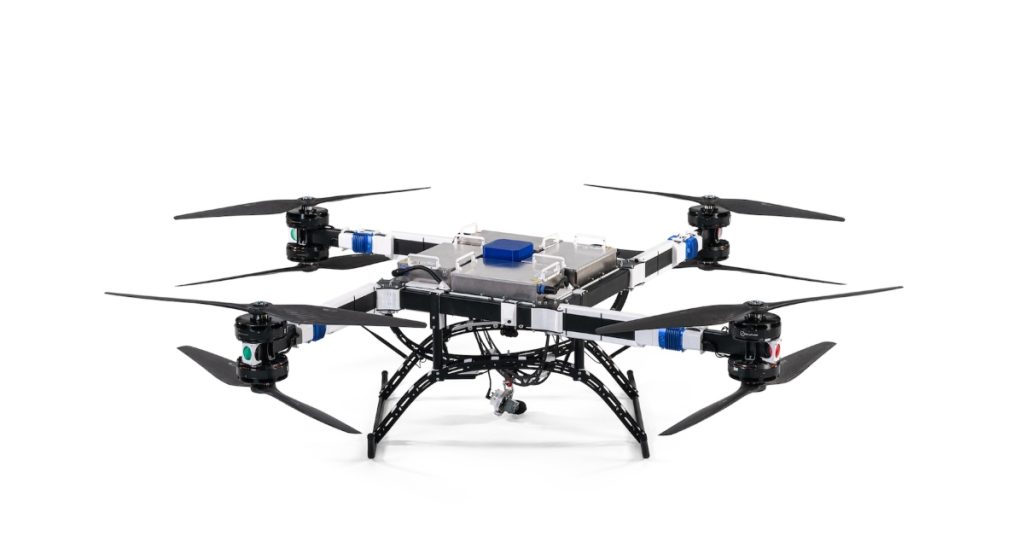
The FlyingBasket FB3 was one of the drones to receive FCC conditional approval | Credit: FlyingBasket
Conditional Approval Applies to Specific Products
The FCC said 71 companies across several industries had received conditional approvals as of November 20.
Of those, 23 make drones, drone systems, or critical drone components.
The latest drone addition is FlyingBasket’s FB3, an Italian-made heavy-lift aircraft capable of carrying payloads of up to 220 pounds. The FCC added it to the conditional-approval list on November 18.
Other recently cleared products include the Percepto Air Max drone-in-a-box ecosystem and Voliro’s T drone, which is designed to press inspection sensors directly against industrial surfaces.
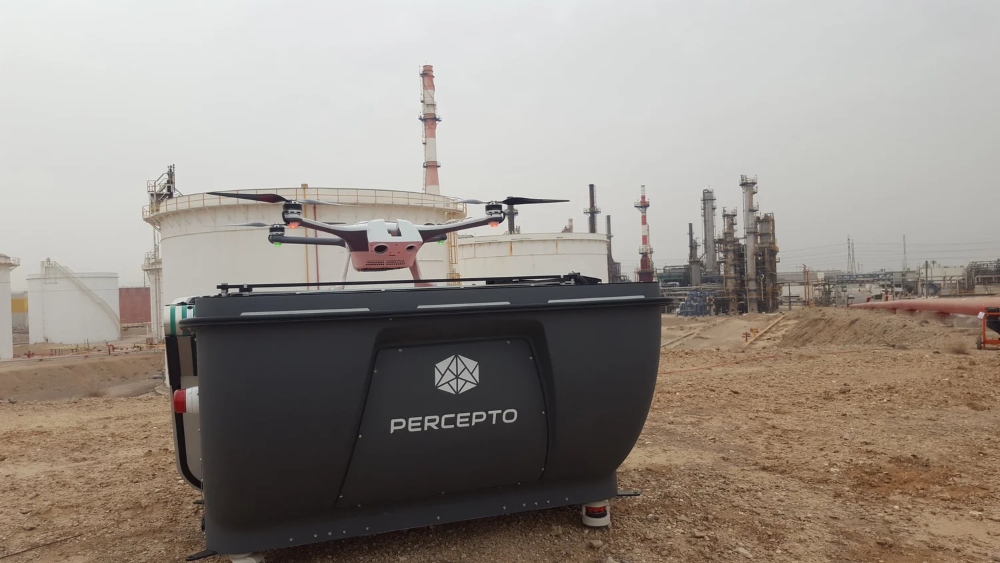
The Percepto Air Max | Credit: Percepto
A conditional approval only covers the specific company and equipment identified in the approval. It exempts that equipment from the Covered List restrictions, allowing the company to pursue the FCC authorization needed to import, market, and sell it in the U.S.
The approval is conditional because it requires companies to continue following their approved manufacturing plans and submit to updated government vetting.
An approval can be terminated if a company fails to meet those conditions or provides false information in its application.
For a fuller explanation of how company-specific approvals work, see our guide to the FCC’s foreign-drone exemptions.
Consumer Camera Drones Are Still Missing
The 23 drone-related approvals largely cover specialized drones and components for agriculture, delivery, inspections, public safety, education, and heavy-lift work.
DJI and Autel don’t appear among the approved companies—and probably never will, given that they were the main targets of the original move to block new foreign drones.
One big gap remains among those companies getting exemptions: there’s no consumer camera drone comparable to DJI’s Mini, Air, or Mavic models.
This matters for recreational pilots and small commercial operators, who face a big gap in the market when it comes to new consumer drones.
To put this plainly, although the FCC is starting to allow some drones and drone components in from foreign countries, there are still a lot of drone pilots out there who won’t be helped by these exemptions.