Indoor Drones: What They Are + The Best Indoor Drones to Buy
BY Zacc Dukowitz
12 March 2026An indoor drone is any drone made to fly indoors—or capable of flying indoors, even if it wasn’t expressly made for that purpose.
Flyability seems to have coined the phrase to describe its inspection drones, which are built with a cage around them and made specifically for flying in tight, confined indoor spaces.
→ Jump to our list of the best indoor drones on the market
But the types of drones out there have grown more varied since Flyability first started popularizing the term “indoor drone.”
We now have cinewhoops with ducted propellers made to shoot immersive FPV footage indoors, toy drones for fun, safe indoor flying, and drones like the Skydio X10 with sophisticated sensors and AI algorithms that allow them to fly indoors without crashing.
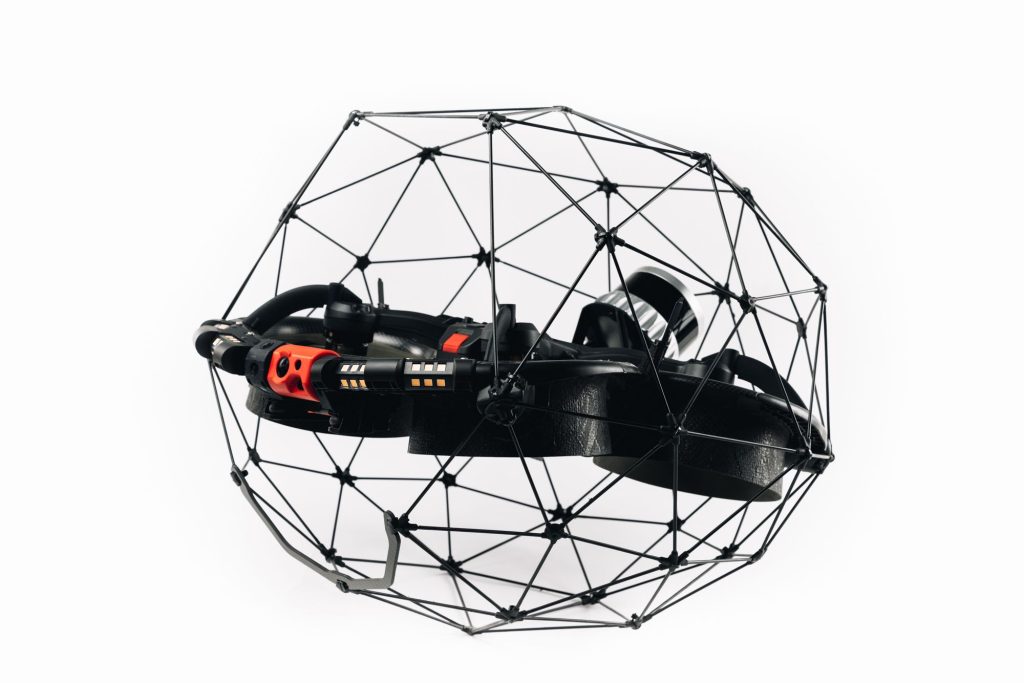
Flyability’s Elios 3 indoor drone | Credit: Flyability
This guide to indoor drones lists the best indoor drones by type.
Then we go deeper, looking at what makes a drone suited for flying indoors, providing some guidance on picking an indoor platform, and looking at how to fly a drone safely indoors.
Here’s a menu in case you’d like to jump around:
- What Is an Indoor Drone?
- The Best Indoor Drones on the Market
- What Makes a Drone Good for Indoor Flying?
- How to Fly a Drone Indoors Safely
- How People Actually Use Indoor Drones
- Indoor Drone FAQ
What Is an Indoor Drone?
An indoor drone is any drone that can fly safely and reliably inside buildings or other enclosed environments.
The drone may have been made to fly indoors, as with the Elios 3, or just capable of flying indoors because it is small and maneuverable. Both examples would still be considered indoor drones.
There’s a big range of indoor drones, but one thing they tend to have in common is an emphasis on safety and maneuverability.
Many indoor drones are smaller, lighter, and have their propellers protected by guards or cages to prevent damage to the aircraft or the surrounding environment during close-quarters flight.
Indoor Drones Usually Fly in GPS-Denied Environments
Most drones rely heavily on GPS signals to hold their position in the air. But indoors, those signals can be weak or completely unavailable.
Depending on the drone, other stabilization methods might include:
- downward-facing cameras
- infrared sensors
- visual positioning systems (VPS)
- LiDAR-based mapping
These systems allow the drone to detect surfaces, track movement relative to the ground, and maintain stable flight even when GPS is unavailable.
And that capability is one of the defining characteristics of drones made for indoor use.
Indoor Drones Range from Toys to Industrial Platforms
The term indoor drone covers a wide range of UAVs.
In practice, these drones usually fall into three broad categories: toy and nano drones, consumer drones, and enterprise drones.
The differences between these categories come down to size, safety features, sensors, cost, and the type of work the drone is designed to do.
- Toy and nano drones are usually the smallest, cheapest, and lightest. They’re typically made for fun, basic flight training, or classroom use.
- Consumer indoor drones sit in the middle in terms of price and features, and may include cinewhoops, compact self-flying camera drones, and some small camera drones that can handle indoor flight under the right conditions. They’re typically made for photography, video, or content creation.
- Enterprise indoor drones are more expensive, more advanced, and made for specific types of work. They’re typically made for inspections, mapping, tactical response, and search operations and often come with advanced features like protective cages, LiDAR sensors, thermal cameras, and specialized stabilization systems.
The Best Indoor Drones on the Market
The chart below shows the best indoor drones in each of the three categories we just highlighted, covering them at a glance.
Use the chart for a quick overview, or keep reading for more information about each of these indoor drones.
| Drone | Category | Camera | Flight Time | Best For |
|---|---|---|---|---|
| DJI Tello | Toy / Nano / Educational | 720p | ~13 minutes | Beginners, STEM learning |
| Holy Stone HS210 | Toy / Nano / Educational | No camera | ~7 minutes | Kids and first-time pilots |
| SYMA X20 | Toy / Nano / Educational | No camera | ~5 minutes | Budget nano drone buyers |
| DJI Avata 2 | Consumer / Prosumer | 4K | ~23 minutes | FPV pilots and immersive flying |
| DJI Neo 2 | Consumer / Prosumer | 4K | ~18 minutes | Casual filming and beginner creators |
| DJI Flip | Consumer / Prosumer | 4K | ~31 minutes | Simple indoor video capture |
| HOVERAir X1 | Consumer / Prosumer | 2.7K | ~11 minutes | Hands-free selfie and follow shots |
| Skydio X10 | Enterprise | Modular sensors | ~40 minutes | Professional inspection and public safety |
| Skydio R10 | Enterprise | Integrated camera | ~20 minutes | Indoor tactical missions |
| BRINC Lemur 2 | Enterprise | 4K + night vision + thermal | ~31 minutes | Indoor tactical response and public safety |
| Elios 3 | Enterprise | 4K inspection camera | ~12 minutes | Confined-space industrial inspection |
Best Toy / Nano / Educational Indoor Drones
This group is the easiest place to start if your goal is simple indoor flying.
These drones are small, relatively forgiving, and usually much safer to use in a living room, classroom, or gym than larger camera drones.
DJI Tello
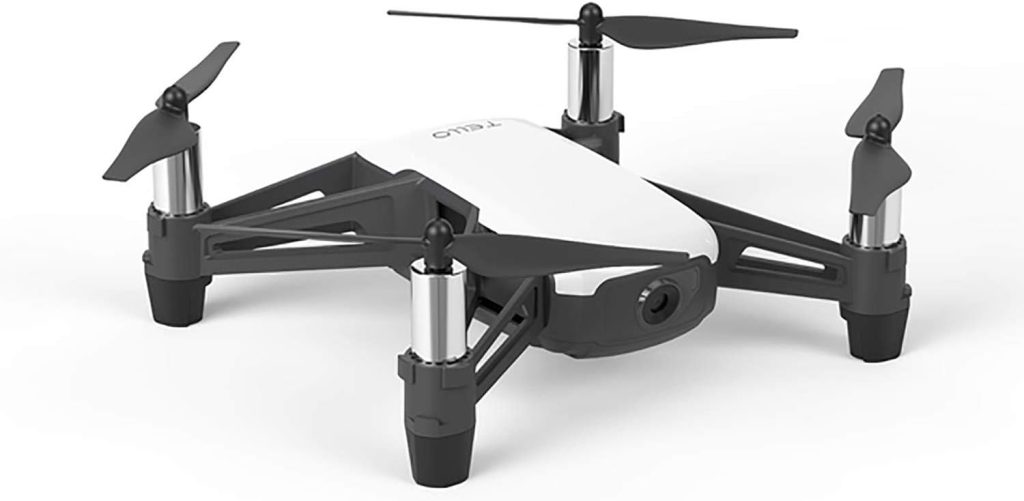
Credit: DJI
The DJI Tello is still one of the easiest indoor drones to recommend. It has been popular for years because it combines easy controls with unusually stable hovering for a beginner drone, and it also has real educational value through coding and STEM use.
- 720p camera
- Electronic image stabilization
- Up to about 13 minutes of flight time
- Popular for beginner flying and classroom use
LEARN MORE
Holy Stone HS210
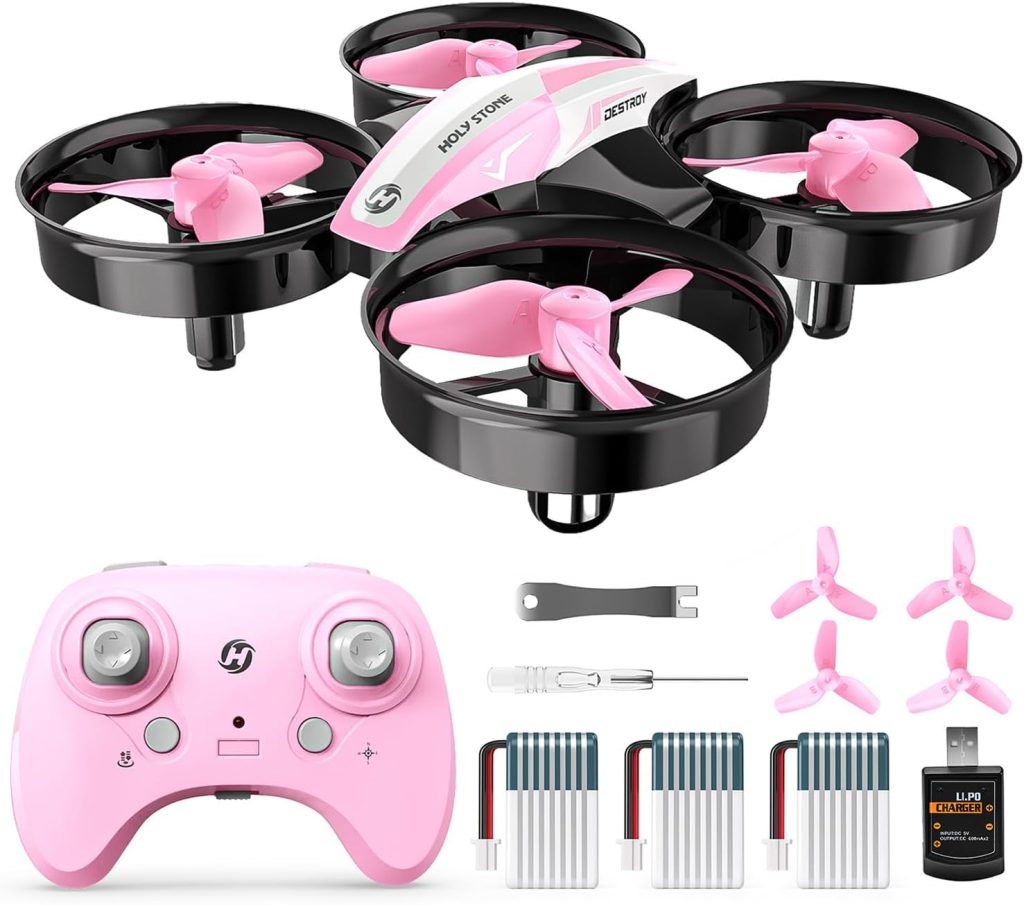
Credit: Holy Stone
Holy Stone’s HS210 is aimed squarely at entry-level indoor flying, offering a solid, inexpensive nano drone for beginners.
- Compact nano-drone format
- Auto hovering
- 3D flips and beginner-friendly controls
- Designed primarily for indoor use
LEARN MORE
SYMA X20
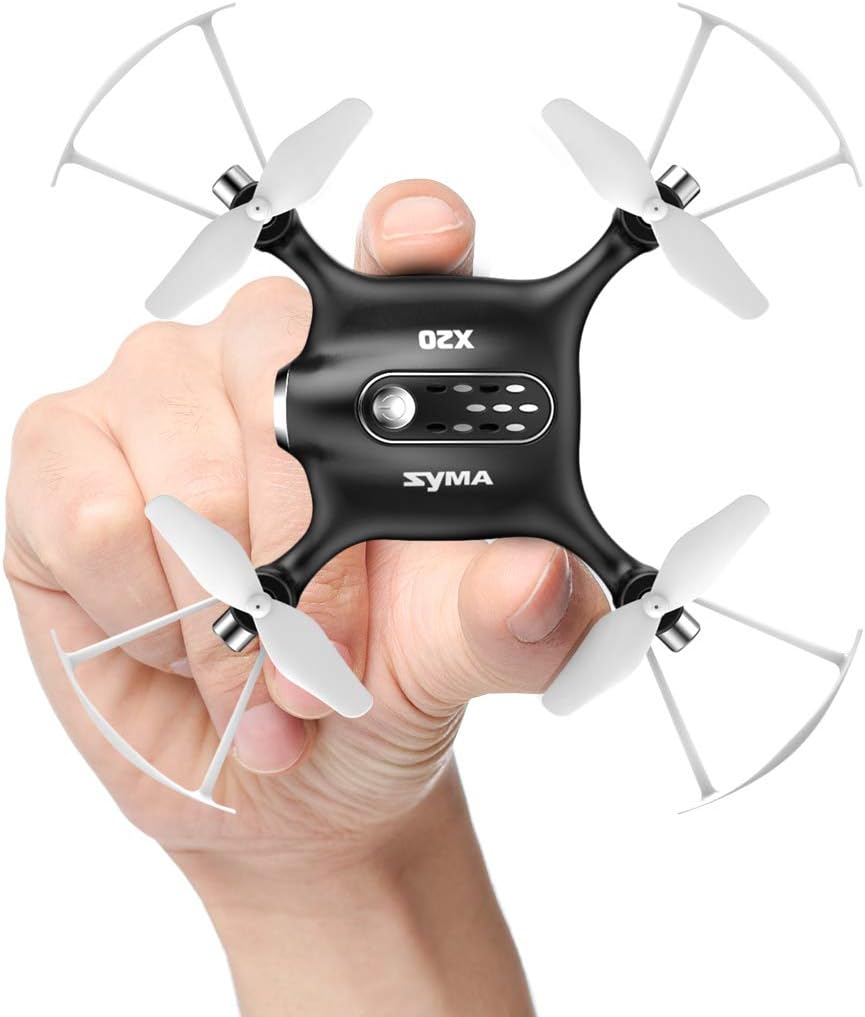
Credit: Syma
The SYMA X20 is a long-running budget favorite in the nano-drone category. It’s best for buyers who want a very small indoor drone with simple features and a low price, not for anyone looking for a serious camera platform.
- Altitude hold
- One-key takeoff and landing
- 6-axis gyro stabilization
- Nano size for tight spaces
LEARN MORE
Best Consumer / Prosumer Indoor Drones
This category is where indoor drones start to overlap with flying cameras. These platforms are much more capable than toy drones, but they also require more judgment, more space, or both.
Some are genuinely indoor-friendly. Others can work indoors, but only under the right conditions.
DJI Avata 2

Credit: DJI
The DJI Avata 2 is the most aggressive indoor-capable drone in this guide. Its ducted-prop FPV design makes it safer around obstacles than a typical open-prop drone, but it still carries more speed and energy than a casual indoor flyer usually needs.
- Built-in propeller guard design
- 4K ultra-wide video
- FPV-focused immersive flight system
- Best suited to experienced pilots or larger indoor spaces
LEARN MORE
DJI Neo 2

Credit: DJI
The DJI Neo 2 is one of the strongest mainstream indoor picks here. It is small, approachable, and designed around easy capture, which makes it much more realistic for casual indoor use than many traditional camera drones.
- 151 g weight class
- Full-coverage propeller guards
- 4K video
- Palm takeoff, landing, and gesture-based control
LEARN MORE
DJI Flip
Credit: DJI
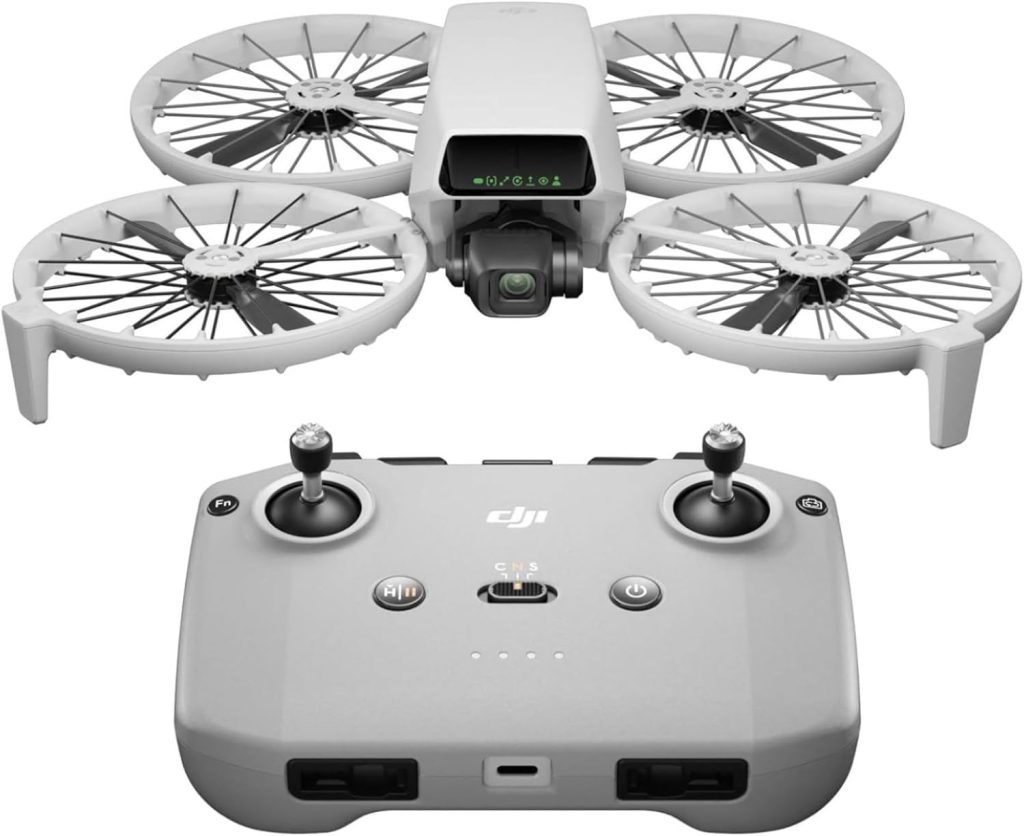
The DJI Flip is an interesting indoor option because DJI gave it a full-coverage propeller guard, which is unusual for a camera-forward consumer drone. That makes it more indoor-friendly than a typical mini drone, though it’s still better for controlled indoor shots than casual flying around tight furniture.
- Under 249 g
- Full-coverage propeller guard
- 4K video with 3-axis gimbal stabilization
- Palm takeoff and intelligent flight features
LEARN MORE
HOVERAir X1
Credit: HoverAir
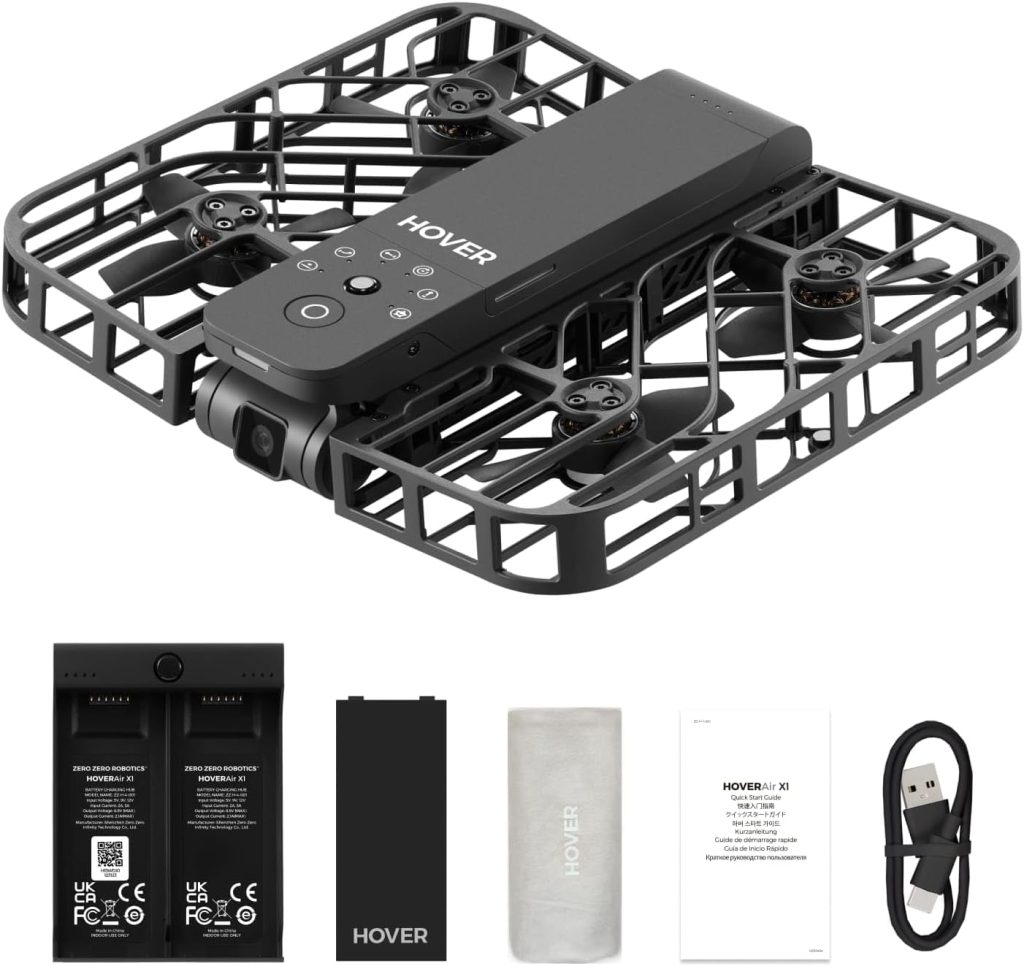
The HOVERAir X1 is one of the most naturally indoor-friendly consumer options on this list. It behaves more like a self-flying camera than a traditional drone, which makes it especially appealing for people who want quick clips, selfies, and simple tracking without learning more advanced piloting.
- Foldable, pocket-size design
- Hands-free flight modes
- VIO-based positioning for indoor use
- Built for simple follow and selfie capture
LEARN MORE
Best Enterprise Indoor Drones
Enterprise indoor drones are a different class of aircraft entirely.
These aren’t meant for casual flying at home. They’re built for real work in places where GPS is unavailable, access is difficult, or sending a person first would create unnecessary risk.
Skydio X10
Credit: Skydio
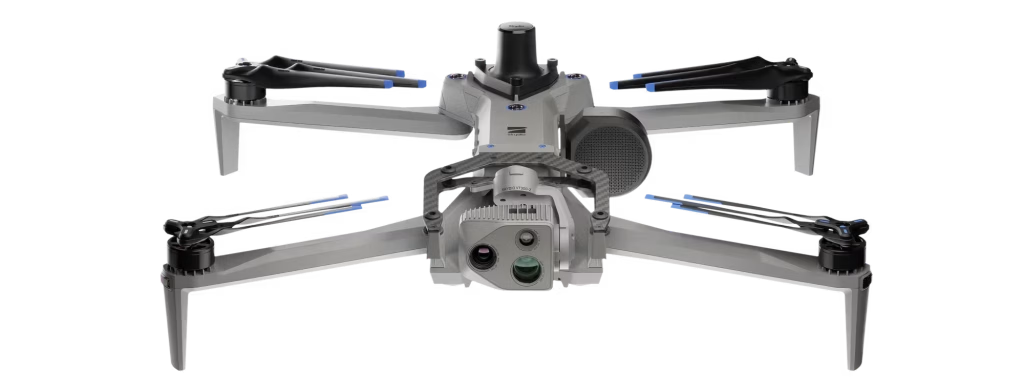
The Skydio X10 is an advanced autonomous enterprise platform. It can make sense indoors in some larger professional environments, but it’s better understood as a broader mission drone that can extend into indoor work when the setting allows.
- Advanced autonomy and sensing
- Modular sensor packages
- Designed for inspection, public safety, and defense applications
- Better suited to larger indoor spaces than tight confined spaces
LEARN MORE
Skydio R10

Credit: Skydio
The Skydio R10 is a true indoor enterprise drone. It’s built specifically for tight-quarter indoor work, with integrated lighting, communications, and mission-focused design that makes it much more relevant for tactical and public-safety indoor operations than a consumer drone adapted for indoor use.
- Built specifically for indoor missions
- Integrated lights and comms
- Compact 10-inch-class footprint
- Up to 20 minutes of flight time
LEARN MORE
BRINC Lemur 2

Credit: BRINC
The BRINC Lemur 2 is a purpose-built indoor drone for public safety teams operating in tight, GPS-denied spaces. Unlike a consumer drone adapted for indoor use, the Lemur 2 was designed for situations like barricades, search and rescue, HazMat response, and other high-risk missions where teams need eyes, audio, and situational awareness before sending people in.
It stands out because it combines indoor flight assistance with tools made for tactical work, including two-way communications, onboard LiDAR for real-time floor plans, and multiple camera views for day, night, and thermal imaging. For agencies looking for an indoor drone built specifically for de-escalation and tactical entry support, this is one of the clearest examples on the market.
- 4K visual camera with night vision support, plus an integrated thermal sensor option
- 360° position hold for indoor flight in low-light and GPS-denied environments
- Onboard LiDAR for real-time floor-plan generation
- Integrated loudspeaker and microphone for two-way communications
LEARN MORE
Elios 3
Credit: Flyability
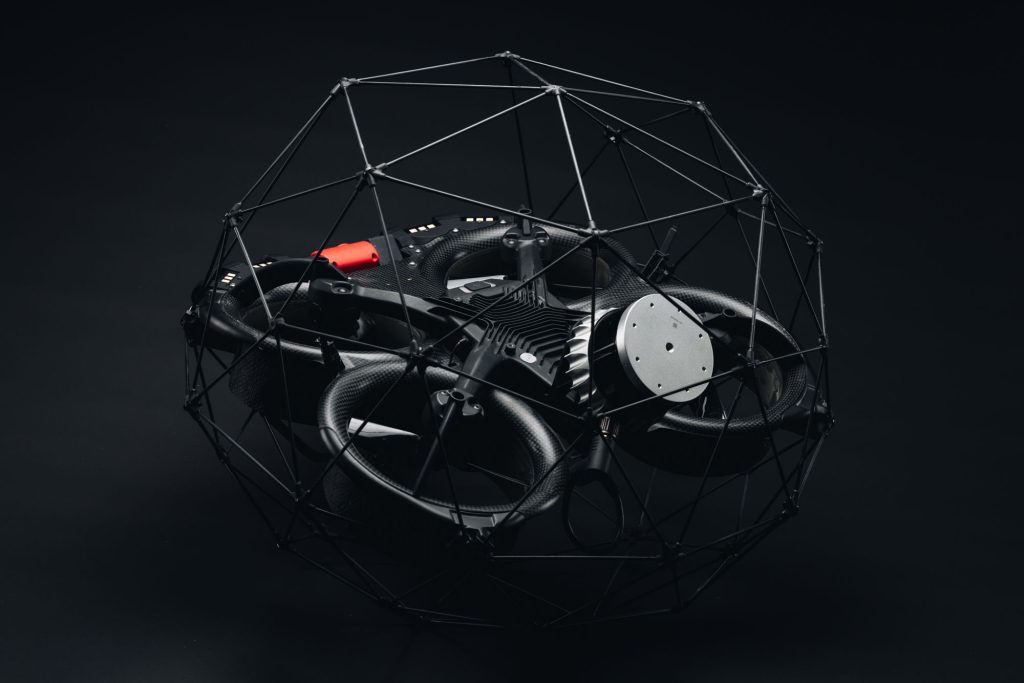
The Elios 3 is one of the clearest examples of what a purpose-built indoor drone looks like at the enterprise level. It’s made for confined-space inspection and mapping in complex, hazardous, GPS-denied environments where collision tolerance and data capture matter more than cinematic footage.
- Built for indoor inspection and mapping
- Collision-tolerant cage design
- LiDAR-enabled data capture
- Designed for confined and inaccessible spaces
LEARN MORE
What Makes a Drone Good for Indoor Flying?
Not every drone that can fly indoors is actually a good indoor drone.
A drone that works well inside usually combines a few specific traits: it can hold position without GPS, it fits comfortably in tight spaces, and it reduces the chance of damage if it bumps into something.
Some indoor drones are designed around those needs from the start. Others can work indoors, but only with more space, more caution, and a more experienced pilot.
Here are the four factors to consider:
1. Size and Weight
In most cases, smaller and lighter is better for indoor flying.
A compact drone is easier to control in hallways, living rooms, classrooms, warehouses, and other enclosed spaces where there is less margin for error. Lightweight drones also tend to be more forgiving if they make contact with a wall, ceiling, or piece of furniture.
That doesn’t mean a larger drone can’t fly indoors. It just means the pilot usually needs more open space and more control.
2. Propeller Protection
Propeller guards are one of the most important indoor-friendly design features. (Cages work too, but are less common.)
They help reduce the chance that spinning propellers will strike walls, furniture, people, or the drone itself during close-quarters flight. In consumer drones, that may mean built-in prop guards or a fully enclosed design. In enterprise drones, it may mean a protective cage built specifically for confined-space work.
For indoor use, prop protection usually matters more than sleek design.
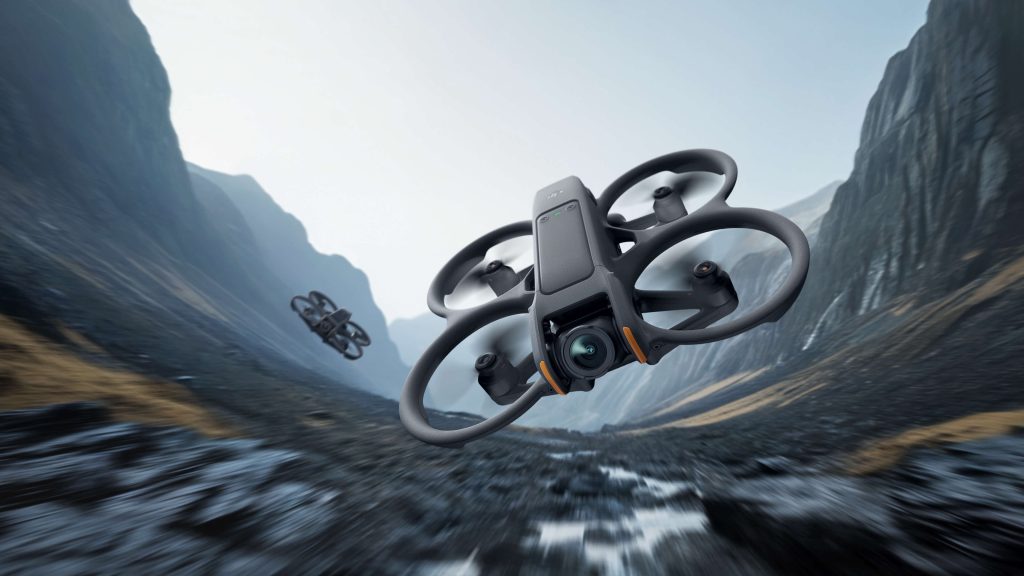
The DJI Avata 2’s propellers come with protective ducts | Credit: DJI
3. Hover Stability and Positioning
A good indoor drone needs a way to stay stable without relying on GPS.
That usually means some combination of visual positioning, downward sensors, infrared sensing, optical flow, or LiDAR. These systems help the drone understand where it is relative to the floor, walls, or surrounding environment.
Without that kind of support, indoor flight becomes much harder. The drone may drift more, react less predictably, or require much more constant correction from the pilot.
4. Flight Modes and Control Simplicity
Indoor flying usually works best when the drone has forgiving controls.
Beginner-friendly flight modes, slower response settings, altitude hold, and easy takeoff and landing features can all make indoor flying more manageable. On the enterprise side, specialized stabilization, obstacle awareness, and assisted positioning can serve a similar purpose.
The more complicated or aggressive the flight behavior, the less suitable the drone usually is for tight indoor environments.
How to Fly a Drone Indoors Safely
Flying indoors is very different from flying outside.
You have less space, less margin for error, and usually no GPS support. That means even a good indoor drone needs the right setup and a careful pilot.
The safest indoor flights usually happen when the space is controlled, the drone matches the environment, and the pilot keeps things simple.
Here are some tips to follow to keep your indoor flying safe.
Start in the Right Space
Not every room is a good place to fly a drone indoors.
If you’re learning, start in a large open area with as few obstacles as possible. A garage, gym, empty classroom, or open living area is usually a better choice than a cramped room full of furniture, shelves, and hanging lights.
The tighter the space, the more important it is to use a very small drone.
Remove Indoor Hazards
Before takeoff, look for anything the drone could hit or get tangled in.
Ceiling fans, hanging plants, cords, lamps, mirrors, pets, and loose papers can all create problems indoors. Even light airflow from an HVAC vent can affect a very small drone.
A quick pre-flight scan matters much more indoors than many beginners expect.
Use Low-Speed or Beginner Modes
Indoor flying usually goes better when the drone responds more slowly.
If your drone has a beginner mode, low-speed mode, or gentle control setting, use it. Those settings make it easier to manage throttle, turning, and small corrections without overreacting.
That is especially important when flying a consumer drone indoors, where even a small mistake can become a fast one.
Be Careful With GPS-Based Expectations
One of the biggest indoor flying mistakes is assuming the drone will behave the same way it does outside.
Indoors, GPS may be weak or unavailable, which means the drone may rely entirely on onboard sensors or manual control. If the surface below is reflective, dark, uneven, or poorly lit, some visual positioning systems may also work less effectively.
That’s why indoor flying should always start slowly. Test hover stability first, watch for drift, and make sure the drone is behaving the way you expect before moving into tighter spaces.
5 Ways People Actually Use Indoor Drones
People use indoor drones for very different reasons.
Some indoor drones are built for fun, practice, and casual flying at home. Others are designed for serious work in places where GPS is unavailable, access is limited, or sending a person first would create unnecessary risk.
Looking at real use cases makes it much easier to understand which kind of indoor drone actually fits your needs.
1. Confined-Space Inspections
One of the clearest use cases for indoor drones is confined-space inspection.
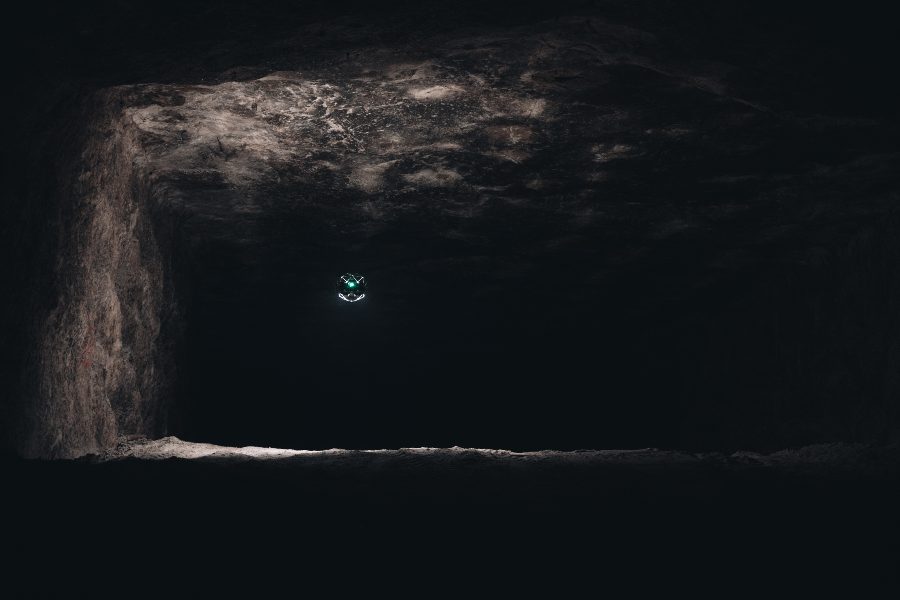
Flyability’s Elios 3 confined space inspection drone | Credit: Flyability
In places like tanks, tunnels, boilers, silos, and other enclosed industrial environments, an indoor drone can help teams collect visual data without immediately sending a person into a difficult or hazardous space. In these situations, the drone is less about cinematic footage and more about safe access, stable flight, and useful inspection data.
- Best fit: Enterprise indoor drones
- What matters most: collision tolerance, stable flight without GPS, and inspection-focused sensors
- Examples from this guide: Elios 3, Skydio R10, Skydio X10
2. Public Safety / Tactical Response
Indoor drones are also used by public safety teams that need situational awareness before entering a building or enclosed space.
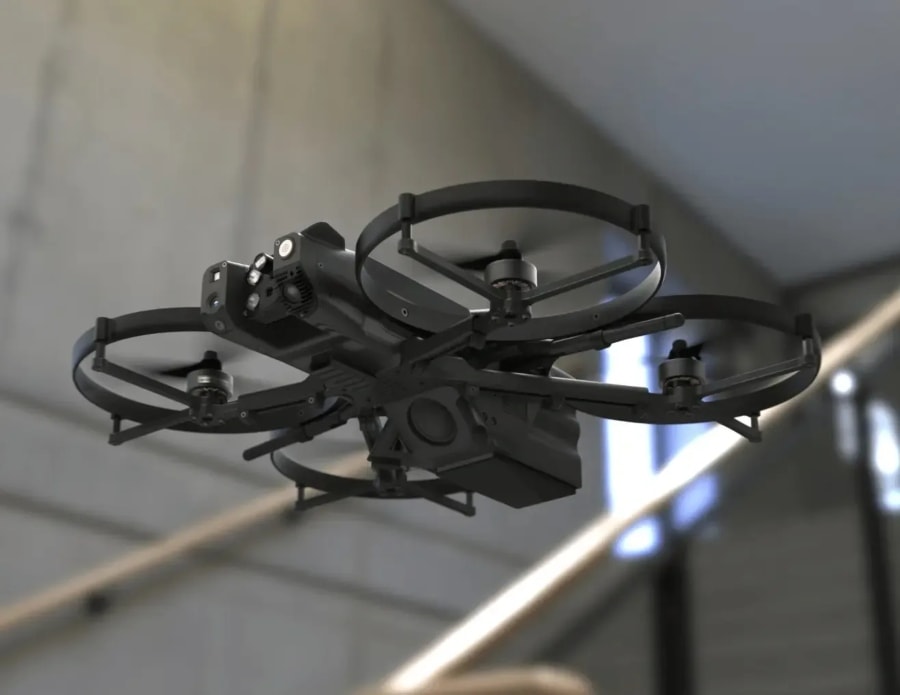
BRINC’s Lemur 2 public safety drone | Credit: BRINC
That may include barricade situations, search operations, HazMat response, or other missions where teams want eyes and audio inside before committing people to the environment. In this use case, the drone functions as a remote sensor platform, not as a hobby aircraft.
- Best fit: Enterprise indoor drones built for tactical or emergency operations
- What matters most: reliable indoor positioning, communications tools, low-light capability, and rugged design
- Examples from this guide: BRINC Lemur 2, Skydio R10, Skydio X10
3. Flying for Fun and Learning
For many people, indoor drones are simply a fun way to fly and build basic piloting skills.
Small toy and nano drones are ideal for short flights in living rooms, classrooms, gyms, and other controlled indoor spaces. They give beginners a chance to practice hovering, turning, and orientation without having to deal with wind or larger outdoor flight areas.
- Best fit: Toy, nano, and beginner-friendly indoor drones
- What matters most: low weight, simple controls, durability, and forgiving flight behavior
- Examples from this guide: DJI Tello, Holy Stone HS210, SYMA X20
4. Indoor FPV / Controlled Cinematography
Some pilots use indoor drones for immersive FPV flying or tightly controlled indoor video work.
This can include everything from practicing FPV lines in large indoor spaces to capturing short interior shots where a compact drone with prop protection makes more sense than a larger camera platform. The key here is control: indoor FPV or indoor video work usually requires the right drone, enough space, and a pilot who understands the environment.
- Best fit: Compact consumer drones and protected FPV-style drones
- What matters most: maneuverability, prop protection, stable hovering or controlled flight, and enough room to operate safely
- Examples from this guide: DJI Avata 2, DJI Neo 2, DJI Flip, HOVERAir X1
5. Education / STEM
Indoor drones also have a clear role in education.
In classrooms, camps, and STEM programs, small indoor drones can help students learn basic flight concepts, control logic, and even introductory coding. This use case is different from pure hobby flying because the drone becomes part of a teaching tool, not just a toy.
- Best fit: Small, stable drones with beginner-friendly controls and educational value
- What matters most: ease of use, durability, safe indoor operation, and support for structured learning
- Examples from this guide: DJI Tello, Holy Stone HS210
Indoor Drone FAQ
Here are answers to some of the most commonly asked questions about indoor drones.
What is the best indoor drone for beginners?
For beginners, the best indoor drones are usually small, lightweight models with simple controls and stable hovering. Toy and nano drones like the DJI Tello or Holy Stone HS210 are popular starting points because they are forgiving to fly and designed specifically for tight indoor spaces.
These drones focus on basic flight skills rather than advanced cameras or high-speed performance, which makes them easier for new pilots to control indoors.
Can you fly a drone indoors without GPS?
Yes. In fact, many indoor drone flights happen without GPS.
Indoors, drones typically rely on sensors such as visual positioning systems, infrared sensors, optical flow, or LiDAR to maintain stability. These systems allow the drone to detect surfaces and maintain position even when GPS signals are weak or unavailable.
However, indoor flying still requires careful control because the drone may not hold position as precisely as it would outdoors with full GPS support.
Are indoor drones safe for kids?
Many indoor toy drones are designed with kids in mind, especially models with propeller guards and beginner-friendly controls.
That said, a drone is still a flying device with spinning propellers, so it should always be used with supervision and in a clear indoor space. Choosing a very small, lightweight drone designed for beginners is usually the safest option.
What is the best indoor drone with a camera?
If you want an indoor drone with a camera, the best choice depends on how you plan to use it.
Small drones like the DJI Tello provide a basic camera experience for beginners. Consumer drones like the DJI Neo 2, DJI Flip, or HOVERAir X1 offer better video quality and smarter shooting features while still being compact enough to use indoors under the right conditions.
What is the best enterprise indoor drone?
It really depends on how you plan to use the drone.
Enterprise indoor drones are designed for professional missions like inspections, mapping, and tactical response.
Examples include the Elios 3 for confined-space industrial inspection, the BRINC Lemur 2 for public safety operations, and the Skydio R10 for indoor tactical missions. These drones come with specialized sensors, protective designs, and stabilization systems that allow them to operate safely in complex indoor environments.