Drone Light Shows Explained: How They Work, Cost & More
BY Zacc Dukowitz
20 May 2026Drone light shows have gone from niche entertainment tech to a regular part of major public events.
Today, it’s increasingly common to see coordinated drone formations at a range of venues, including places like sporting events, theme parks, and holiday celebrations.
And new uses are popping up all the time, such as live-action promotions for TV shows like this one:
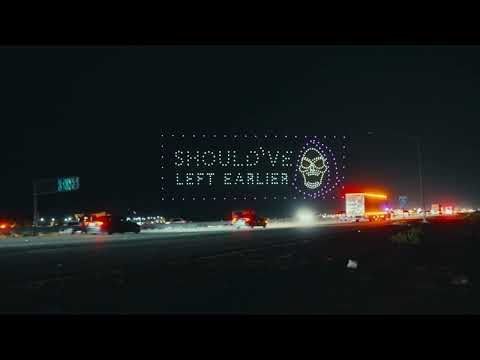
In some cases, drone light shows only use a few dozen drones. In others, hundreds or even thousands of drones are used to make animated scenes in the sky.
From the audience perspective, these shows can seem effortless.
But professionally-crafted drone light shows are some of the most complex operations in the commercial drone industry. They combine synchronized automation, fleet management, live-event production, aviation safety planning, and FAA compliance into a single coordinated event—and if anything goes wrong, the audience will know right away.
So how do drone light shows actually work? What kinds of drones are used? And how much does it cost to produce one?
In this guide to drone light shows we’ll answer these questions and more, breaking down how these shows work, FAA considerations, and what drone pilots, businesses, and event organizers should know.
Here’s what we cover:
- What Is a Drone Light Show?
- How Drone Light Shows Work
- What Makes a Light Show Drone Unique?
- How Much Does a Drone Light Show Cost?
- Drone Shows vs. Fireworks
- Drone Light Show FAQ
What Is a Drone Light Show?
A drone light show is a coordinated aerial display where dozens, hundreds, or even thousands of drones fly pre-programmed flight paths to create animations, patterns, logos, and other visuals in the sky.

Instead of carrying cameras, light show drones are made to carry bright LED lights, acting as flying points of light in the night sky.
Light show drones are also built for highly synchronized positioning, so you can move a large group of them precisely in formation to create shapes, words, and tell stories with clusters of light.
In practice, a drone light show works more like a live animated performance than a normal drone flight, with every drone acting like a single “pixel” in a much larger image.
That’s why large shows can create surprisingly detailed visuals. One moment the drones might form a company logo or sports mascot. A few seconds later, the entire formation can shift into a moving object, a countdown animation, or a scene tied to music.

Credit: Sky Elements
A Specialized Service
One of the main reasons drone light shows are so appealing is that they can create large-scale visuals without the smoke, explosive noise, or fire risk associated with traditional fireworks.
But from an operational standpoint, these shows are much more complex than they look.
A professional drone light show involves specialized aircraft, automated fleet-control software, detailed mission planning, GPS coordination, safety buffers, and FAA compliance. Even relatively small shows may involve multiple crew members, launch systems, backup aircraft, and extensive preflight testing.
And that complexity is why drone light shows are run by specialized companies that specialize in large-scale drone entertainment operations.
Where Are Drone Light Shows Performed?
Drone light shows have become increasingly common at:
- Sporting events
- Concerts and festivals
- Theme parks
- Tourism campaigns
- Holiday celebrations
- Corporate launches and brand activations
Some of the best-known examples include Olympic ceremonies, Super Bowl-related events, and large public celebrations in cities like Dubai, Shanghai, and Las Vegas.

How Drone Light Shows Work
Planning for a professional drone light show starts long before the drones ever leave the ground.
The process usually begins with a storyboard or animation concept. A client, event organizer, or creative team decides what should appear in the sky—logos, characters, transitions, text, or animated scenes synchronized to music.
From there, specialized software turns those visuals into coordinated flight paths.
Each drone is assigned a specific position and movement pattern. During the show, the drones use GPS positioning and onboard navigation systems to stay synchronized while moving through three-dimensional space.
The coordination and precision required to pull off a large show are truly impressive.
In bigger shows, hundreds of drones may launch within seconds of each other and move continuously while maintaining separation distances and formation accuracy. If timing drifts too far, the animation can distort or drones can create collision risks.

From Storyboard to Flight Path
Drone show companies typically build their shows using animation and fleet-management software designed specifically for drone swarm operations.
Here’s a typical workflow:
- Design the visuals and animation sequence
- Assign positions and movements to each drone
- Simulate the show virtually using specialized software
- Check spacing, battery limits, and timing
- Upload the flight data to the drone fleet
- Run test flights before the live event

Credit: Firefly Drone Shows
What the Pilot and Ground Crew Actually Do
Because of the complexity, most of the flying in drone light shows is automated.
This means that, rather than flying the drones, the operational team is usually focused on:
- Monitoring the fleet
- Verifying positioning accuracy
- Managing launch systems
- Watching weather conditions
- Responding to any aircraft that behave unexpectedly
To be clear, this work still requires experienced, professional drone operators.
That’s because even highly automated shows involve aviation risk management, airspace coordination, emergency procedures, launch-zone security, and careful preflight checks.
A failed GPS lock, unexpected wind gust, or communication issue can affect the entire formation if the operation isn’t designed properly.
This is also why professional drone show companies often build significant redundancy into their operations, including backup drones, designated emergency landing behavior, automated fail-safe procedures, and thorough battery planning to avoid unplanned failures.
What Makes a Light Show Drone Unique?
At a glance, light show drones look similar to ordinary quadcopters.
But they’re designed for a very different job.
- A camera drone is built around image quality, stabilization, obstacle sensing, and manual flight control.
- A light show drone is built around synchronization, positioning accuracy, reliability, and visibility (i.e., the light itself).
Put plainly, unlike with a camera drone, the individual light show drone isn’t that important. What really matters is how the drone fits into a larger system, acting as one point of light among hundreds or thousands.
What Matters Most: Lights, Positioning, Batteries, and Fleet Control
For a professional drone show operation, the most important systems are usually:
- LED brightness and visibility
- GPS and positioning accuracy
- Reliable communication links
- Fleet synchronization software
- Battery consistency across the fleet
- Automated fail-safe behavior
Precision matters a lot for light show drones. That’s because even small positioning errors become visible when hundreds of drones are trying to form a large, legible image.
Battery management is another major operational constraint.
Many light show drones only stay airborne for around 15 to 25 minutes once reserve margins and safety buffers are considered. That’s usually enough for a public performance, but it leaves little room for delays, holds, or weather-related complications.
Top Light Show Drones on the Market
Here are some of the best-known drone light show platforms currently used in the industry.
UVify IFO

Credit: UVify
The IFO from UVify is one of the most widely recognized drone show platforms in the world. UVify has supported large-scale public drone displays globally, including major sports, entertainment, and tourism events.
The company focuses heavily on scalable swarm operations and rapid deployment workflows, which has helped make the IFO popular among commercial drone show operators.
Here are some of the IFO’s standout features:
- Purpose-built swarm drone
- Integrated high-brightness RGB LEDs
- Designed for synchronized fleet operations
- Lightweight carbon-fiber construction
- Approximate flight time: 20+ minutes
Firefly Gen2

Credit: Firefly Drone Systems
The Firefly Drone Systems Gen2 platform is designed specifically for drone entertainment and aerial light show operations. The Gen 2 emphasizes modularity, reliability, and large-scale synchronized deployments.
Firefly has worked with entertainment and event partners on coordinated drone productions across multiple markets.
Here are some of the Gen2’s standout features:
- Built specifically for drone light shows
- Integrated LED lighting system
- Swarm-capable autonomous flight
- Designed for rapid deployment and charging workflows
- Optimized for fleet synchronization
PABLO Air PabloX F40

Credit: PABLO Air
The PabloX F40 from PABLO Air is part of the company’s broader autonomous swarm and mobility ecosystem. PABLO Air has become known internationally for large public drone performances and swarm research initiatives.
The F40 is designed for outdoor drone show operations where stable positioning and visibility are critical.
Here are some of the PabloX F40’s standout features:
- Purpose-built drone show aircraft
- High-visibility LED payload system
- Autonomous swarm flight capability
- Designed for large coordinated fleets
- Optimized for outdoor performance stability
Verge Aero X7

Credit: Verge Aero
The X7 from Verge Aero is a professional light show drone made for high-scale entertainment operations. Verge Aero is also known for its show-design and fleet-management software ecosystem, which supports coordinated swarm choreography and event planning.
Here are some of the X7’s standout features:
- Professional drone show aircraft
- Integrated RGB LED lighting system
- Built for automated swarm operations
- Designed for compatibility with Verge Aero control software
- Optimized for large-event deployment workflows
How Much Does a Drone Light Show Cost?
Drone light shows can be expensive. But the actual price range varies dramatically depending on the size and complexity of the event.
A relatively small local show with a few dozen drones may cost tens of thousands of dollars. Large stadium or city-scale productions with hundreds or thousands of aircraft can cost far more—even in the millions.
For example, it’s estimated that Intel spent about $8 million on its 2020 drone light show for the Tokyo Winter Olympics.

This chart gives you an overview of how much a drone light show costs depending on size:
| Show Size | Typical Drone Count | Estimated Cost Range | Common Use Cases |
|---|---|---|---|
| Small | 25–100 drones | $15,000–$50,000+ | Weddings, local festivals, small brand activations |
| Medium | 100–300 drones | $50,000–$150,000+ | Minor league sports, tourism events, regional celebrations |
| Large | 300–1,000 drones | $150,000–$500,000+ | Major concerts, large city events, televised productions |
| Massive / Global Events | 1,000+ drones | $500,000 to several million dollars | Olympics, world expos, international ceremonies |
Note: Drone count is one of the biggest cost drivers, but pricing doesn’t scale in a perfectly linear way. Larger shows often require substantially more launch infrastructure, staffing, testing, transportation, and airspace coordination.
Why Drone Count Drives the Budget
The number of drones in the air is one of the biggest factors affecting cost.
More drones allow for larger images, smoother animations, more detailed scenes, and better visibility from long distances. But they also increase operational complexity.
A 50-drone show and a 500-drone show aren’t just different in visual scale. They often require different launch infrastructure, larger crews, more batteries, more transportation capacity, and more extensive testing.
Drone count also affects redundancy planning.
Professional operators typically bring backup aircraft and spare batteries to reduce the risk of interruptions during the event. That means the actual fleet on-site is often larger than the number of drones viewers see in the sky.
Other Cost Factors: Design, Crew, Location, and Logistics
Beyond the aircraft themselves, much of the cost comes from planning and operations.
Custom animations, music synchronization, airspace coordination, launch-zone setup, travel, insurance, permitting, and rehearsal time all affect the final budget.
Location can also change the economics significantly.
A rural launch site with open airspace is usually easier to manage than a dense urban environment near airports, stadiums, tall buildings, or large crowds. Weather conditions and local regulations can add additional constraints.

Credit: Verge Aero
Crew requirements are another major factor that impacts cost.
Even highly automated shows still require trained operators, safety personnel, technicians, visual observers, and event coordination staff. Large shows can function more like live aviation productions than ordinary drone jobs.
Drone Shows vs. Fireworks
Drone light shows are often framed as a replacement for fireworks, but in practice the relationship is more complicated than that.
The two formats do some things very differently, and many large events now use both together instead of choosing one or the other.
Here’s a quick overview:
| Format | Best At | Main Limitations | Best Fit | When to Use Both |
|---|---|---|---|---|
| Drone Light Shows | Animation, logos, storytelling, precision visuals | Weather sensitivity, higher operational complexity, limited brightness compared to fireworks | Brand activations, tourism events, sports intros, modern city celebrations | Use fireworks for the finale impact and drones for branding or animated sequences |
| Fireworks | Brightness, explosive energy, crowd impact | Smoke, debris, fire risk, noise | Traditional celebrations, large public gatherings, high-energy finales | Use drones before or during fireworks to add storytelling and coordinated visuals |
| Combined Shows | Large-scale entertainment with both visual precision and physical spectacle | Higher cost and more operational coordination | Major sporting events, theme parks, televised productions, large tourism campaigns | Best when organizers want both cinematic visuals and a traditional finale experience |
Where Drone Shows Are Stronger
The biggest advantage of drone shows is control.
Because the drones are individually programmed, operators can create visuals that would be difficult or impossible with fireworks alone, including:
- Animated logos
- Moving characters
- Countdowns
- Custom branding
- Music-synchronized transitions
- Large geometric formations
Drone shows are also much quieter than fireworks. That matters in places where organizers want a less disruptive experience.
From a branding perspective, drone shows offer something fireworks generally can’t: precise, repeatable visuals. That’s one reason sports teams, tourism boards, and corporate sponsors increasingly use them for public-facing events.
Where Fireworks Still Have an Advantage
Fireworks still deliver something drones generally can’t: explosive brightness and physical impact.
A large fireworks finale creates a sensory spectacle with:
- Shockwaves
- Sound pressure
- Rapid flashes
- Wide-area illumination
- Large-scale atmospheric effects
For many audiences, that sensory experience is still the main attraction.
Two other things make fireworks appealing:
- Weather. Drone formations depend heavily on positioning accuracy, which means strong winds can create major operational problems. Fireworks are weather-sensitive too, but they’re not trying to maintain coordinated spacing between hundreds of moving aircraft.
- Cost. At smaller scales, fireworks can often be less expensive than a professionally managed drone show.
When to Use Both
Many organizers no longer treat drone shows and fireworks as competing formats. Instead, they use each format for what it does best.

A combined show might use drones for:
- Branding
- Animated storytelling
- Sports intros
- Countdowns
- Music-synchronized visuals
Then transition into fireworks for the finale, or to increase the power of the show throughout the event.
In practice, the choice usually comes down to the kind of experience organizers want to create.
Drone shows are strongest when precision visuals and storytelling matter most. Fireworks are strongest when the goal is maximum spectacle and physical impact.
Drone Light Show FAQ
Here are some of the most commonly asked questions about drone light shows.
How many drones are used in a drone light show?
It varies widely. Smaller local shows may use a few dozen drones, while major public productions can involve hundreds or even thousands of aircraft flying simultaneously.
Are drone light shows automated?
Mostly, yes. The flight paths are typically pre-programmed and synchronized through specialized software. Operators still monitor the operation actively and manage safety, launch procedures, weather conditions, and contingency planning.
Can regular camera drones be used for drone shows?
In some limited cases, small synchronized flights are possible with ordinary drones. But professional drone light shows usually rely on purpose-built aircraft designed for large-scale fleet coordination and LED visibility rather than aerial photography.
How long do drone light shows last?
Many public drone shows last around 10 to 20 minutes, though timing depends on battery limits, weather conditions, animation complexity, and the number of drones involved.
Can weather cancel a drone show?
Yes. Wind, rain, lightning, and poor visibility can all affect safety and positioning accuracy. Professional operators usually establish weather minimums before launch.
Are drone light shows safer than fireworks?
They reduce some risks associated with fireworks, including explosive materials and falling embers. But drone shows still involve aviation risk and require careful operational planning, airspace coordination, and safety management.
Do drone light shows require FAA approval?
In many cases, yes. Depending on the operation, operators may need FAA authorization, waivers, or additional coordination related to night operations, airspace, or flights near people.
How much does a drone light show cost?
Costs vary significantly depending on drone count, animation complexity, crew size, travel, airspace constraints, and event logistics. Smaller shows may cost tens of thousands of dollars, while major productions can cost substantially more.