Aspen Fire Trains to Use AI-Guided Firefighting Drones
BY Zacc Dukowitz
19 November 2026In Aspen, Colorado, the fire department is preparing to deploy AI-guided drones that can carry and drop firefighting foam on wildfires.
The program will use drones made by California-based Seneca, a firefighting drone company. It aims to launch during the 2027 fire season.

The FAA granted the department a waiver to use the drones in late October, according to NPR.
Aspen Fire and Seneca describe the program as the first in which a fire department would independently operate this type of AI-assisted firefighting drone system.
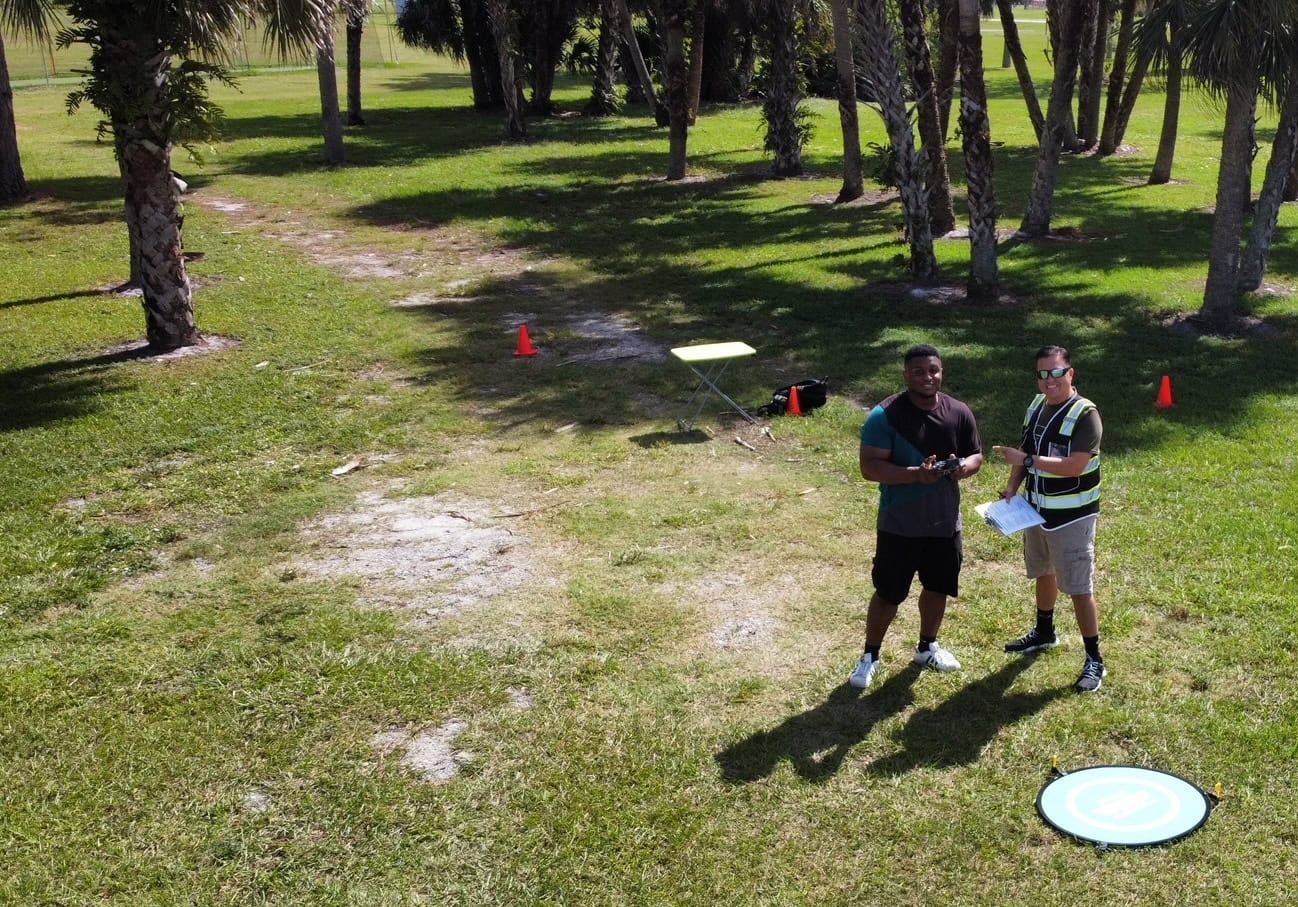
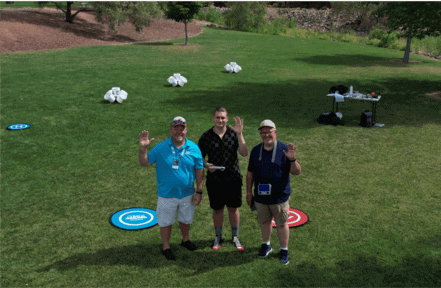
Aspen Fire works with UAV Coach and has enrolled 17 team members in Drone Pilot Ground School to help them prepare for the FAA’s Part 107 exam.
Aspen Fire Deputy Chief Andy Fisher told UAV Coach:
Aspen Fire is genuinely interested in using cutting-edge technology to engineer our way out of the wildfire problem plaguing the Western United States. Using semi-autonomous wildland firefighting drones, we believe we can access fires while they are small and keep them small. There is also an opportunity to maximize our advantage for fighting wildfires when they are at their weakest: overnight. Complete airspace deconfliction at night could allow these drones to engage and suppress wildfires during night operations, preventing them from gaining strength and growing the following day.
The Drones Are Designed to Drop Firefighting Foam
Seneca’s firefighting drones are designed to carry and spray firefighting foam over a fire or hot spot.
The drones can also provide aerial monitoring, and potentially deliver equipment to firefighters working in difficult terrain.
AI-assisted flight software helps plan routes and coordinate the aircraft, but the FAA waiver doesn’t authorize fully unsupervised operations.

Credit: Seneca
Under the current waiver, the drones will be limited to flights of up to 200 feet within Pitkin County.
The waiver also requires visual observers and restricts flights over populated areas. That means the drones can’t simply be sent beyond a ridge without someone maintaining the visibility required by the authorization.
Seneca has tested its drones around prescribed burns, but they haven’t yet been proven on an uncontrolled wildfire. Aspen Fire is still training its personnel before attempting operational deployments.
The Program Is Funded by Private Donors
Aspen’s program is being supported by private donors rather than the fire district’s regular operating budget.
The funding is expected to provide about $500,000 annually for five years, for a total of around $2.5 million.
Supporters see the drones as a way to reach fires sooner, especially at night or in terrain that could put pilots and firefighters at risk.
The program also has skeptics.
Joe Stutler, a longtime wildland firefighter interviewed by NPR, noted that even large aerial drops rarely extinguish a fire without firefighters on the ground.
Those limitations make the upcoming deployment important. Aspen Fire’s program could provide real-world evidence about where firefighting drones are useful—and where conventional aircraft and firefighters on the ground remain essential.