Security Drones: An In-Depth Guide [New for 2025]
BY Zacc Dukowitz
12 October 2025A security drone is any UAV used for surveillance, monitoring, or threat detection.
Security drones are also called:
- Security UAVs
- Surveillance drones or surveillance UAVs
- Patrol drones
- Monitoring drones
The last term on the list above—monitoring drones—brings up an important point. Although monitoring is a different use case than security, the same kinds of drones that are good for both applications.

Credit: Skydio
Any drone off the shelf could be used as a security drone. Simply put, if you’re putting a drone in the air to monitor a site and keep it safe, then that drone—regardless of how expensive it is, or what types of sensors it carries—could be called a security drone.
That being said, there are specific drones made for security, surveillance, and monitoring, and we’ll cover those in the first section of this guide.
One standout feature of drones made just for security and surveillance is that they either come with a dock (also called a charging station, or nest) or are compatible with one. That’s because security drones ideally stay on site, autonomously patrolling an area and returning to their dock to recharge and offload data, then redeploying to continue their surveillance work.
In this guide to security drones we’ll cover the top models on the market, how they’re used, the main types of security drones, and a lot more.
Here’s everything we cover in case you’d like to jump around:
- The Best Security Drones on the Market [New for 2025]
- Considerations for Buying a Security Drone
- How Security Drones Work
- Top 7 Industries that Use Security Drones
- The Difference Between ISR Drones and Security Drones
- The Role of AI in Security Drone Technology
- Security Drones FAQ
The Best Security Drones on the Market [New for 2025]
The market for security drones has evolved a lot over the last few years.
Here are our picks for the best security drones on the market right now, organized by tier.
A Note on Docks
As we mentioned above, almost all security drones come with a dock or are compatible with one.
Among the drones listed below, only the Parrot ANAFI USA and the Skydio X10 don’t come with a dock. But the ANAFI USA is compatible with docks made by other companies, and Skydio sells a dock that you can use with the X10.
Top Consumer Security Drones
For small businesses (and maybe homeowners) looking for aerial surveillance.
Skydio X10

- Camera. Equipped with a 64 MP narrow camera, a 48 MP telephoto camera, a 50 MP wide-angle camera, and a 640 x 512 px radiometric thermal camera, providing comprehensive imaging capabilities for detailed surveillance and inspection.
- Flight time. Up to 40 minutes, supporting extended operational missions.
- Weight. About 2.11 kg (4.65 lbs), making it portable and easy to deploy.
- Features. Autonomous navigation with advanced obstacle avoidance, rapid deployment in under 40 seconds, and an IP55 rating for operation in various environmental conditions.
- Dock. Compatible with the Skydio Dock, enabling fully autonomous operations.
Parrot Anafi USA

- Camera. Features a 32x zoom, 4K HDR video, and thermal imaging capabilities for detailed inspections.
- Flight time. Approximately 32 minutes per battery charge.
- Features. Lightweight design, secure data encryption, and rapid deployment make it ideal for quick response scenarios.
- Price range. Around $7,000.
- Dock. Compatible with docks from Hextronics Nano USA and Hoverseen Integration, making it possible to turn the ANAFI USA into a drone-in-a-box.
Matrice 3D
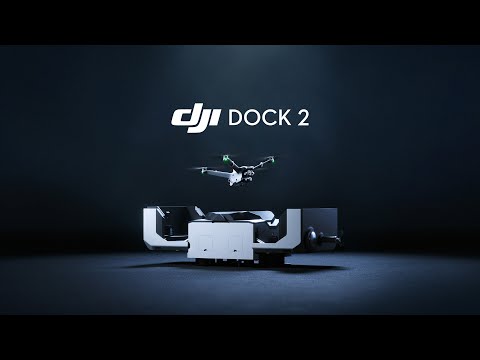
- Camera. Features a wide-angle 4/3 CMOS sensor with 20 MP resolution and a telephoto lens with 12 MP, supporting high-precision mapping and surveillance tasks.
- Flight time. Up to 50 minutes, enabling extended missions.
- Features. Autonomous operations with DJI Dock 2 integration, IP54-rated for dust and water resistance, and support for third-party payloads.
- Dock. DJI Dock 2 offers IP55 ingress protection, weighs 34 kg, includes a 5-hour backup battery, and operates in temperatures from -25°C to 45°C.
Drones Made Specifically for Security and Monitoring
For commercial operations who want high-grade, constant surveillance of their facilities and operations.
Percepto Air Max

- Camera. Equipped with high-resolution RGB and thermal cameras for detailed inspections and monitoring.
- Flight time. Designed for continuous operation with autonomous charging capabilities.
- Features. Fully autonomous operation, AI analytics, and seamless integration with existing security systems make it ideal for critical infrastructure surveillance.
- Dock. Comes with its own integrated base station, facilitating fully autonomous operations with automated takeoff, landing, and charging, tailored for industrial site monitoring.
Sunflower Labs Beehive System

- Camera. Equipped with a Sony IMX385 low-light sensor, offering 1080p HD video capture for clear surveillance footage.
- Flight time. Operational flight time of 15 minutes, with an additional 5-minute safety reserve.
- Features. Autonomous navigation, real-time obstacle avoidance, rapid deployment within 5 seconds, and integration with existing security systems.
- Base station. The Hive serves as a weatherproof charging and communication hub, enabling continuous operation and rapid recharging in approximately 22 minutes.
- Weight. Approximately 1.56 kg (3.44 lbs), facilitating agile and efficient flight performance.
- Dock. Comes with the Beehive, a weatherproof charging and communication hub that enables autonomous drone operations for proactive security and surveillance.
sunflower-labs.com
DJI Matrice 30T
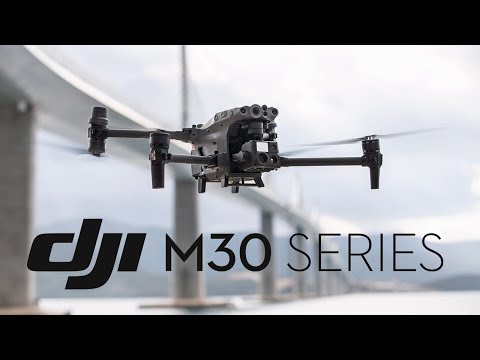
- Camera. Equipped with a 48MP zoom camera, 12MP wide-angle camera, and a thermal imaging sensor for comprehensive monitoring.
- Flight time. Up to 41 minutes, suitable for extended surveillance tasks.
- Features. Advanced obstacle avoidance, AI spot-check, and high-temperature detection enhance security operations.
- Dock. Comes with the DJI Dock, enabling fully autonomous operations, including automated takeoff, landing, and recharging, ideal for continuous security monitoring. (Drone can be bought with or without the dock.)
Considerations for Buying a Security Drone
Looking for a security drone? This section covers the main things to consider.
Key Features to Look For in Security Drones
When selecting a security drone, consider the following essential features:
- Battery life. Longer flight times ensure extended surveillance missions without frequent recharging.
- Flight range. A greater operational range allows coverage of larger areas, crucial for expansive properties or industrial sites.
- Camera quality. High-resolution cameras (4K or higher) with night vision and thermal imaging capabilities enhance monitoring effectiveness.
- Autonomous features. Capabilities like automated patrols, obstacle avoidance, and AI-driven threat detection reduce the need for constant human oversight.
- Durability. Robust construction and weather resistance (e.g., IP ratings) ensure reliable performance in various environmental conditions.
- Dock compatibility. Security drones integrated with docking systems can operate autonomously with automated launch, landing, and recharging functions.
How to Get Extended Flight Times for Security & Surveillance
The point of a security drone is to have constant monitoring on your site. But “constant” requires a constant power source, meaning you may need to have multiple drones so one can swap in while another recharges, or you may need to use a tether.
Here’s what to consider:
1. Tethered vs. Free-Flying Platforms
Tethered drones have a continuous power supply, which lets them stay in the air for a long time. And that’s great for extended surveillance. They also have stable positioning, which makes them great for events or perimeter monitoring.
But to get these advantages, they have to stay in one place. This isn’t so great if you need to cover a large area, since they’ll only be able to surveil the specific range they can see from their fixed position. On the other hand, non-tethered drones (which is most drones) have the freedom to fly where they want, but they’re limited by their battery life.
2. Docking Stations
Docks, or nests, can offer a solution to the power problem.
A docking station allows a drone to recharge in the field, providing an automated solution for launching, landing, and charging security drones. While a single drone can’t constantly be in the air, you can use docks with multiple drones to make sure you always have drones flying where you need to be.
Example Use Case
JOUAV, in partnership with the Guangxi Power Supply Bureau, recently implemented China’s first “Fixed + Mobile” UAS autonomous inspection system for power grid operations.

Credit: JOUAV
The system demonstrates the use of drones for constant monitoring and autonomous data collection. Using five docks (JOUAV calls them hangars) and two drones, the Power Supply Bureau has 24/7 automated inspections with minimal human intervention.
This means there is always a drone in the air, and always a drone charging at one of the stations. With this approach, the drones are able to monitor over 5,000 square miles through remote-controlled, automated flights.
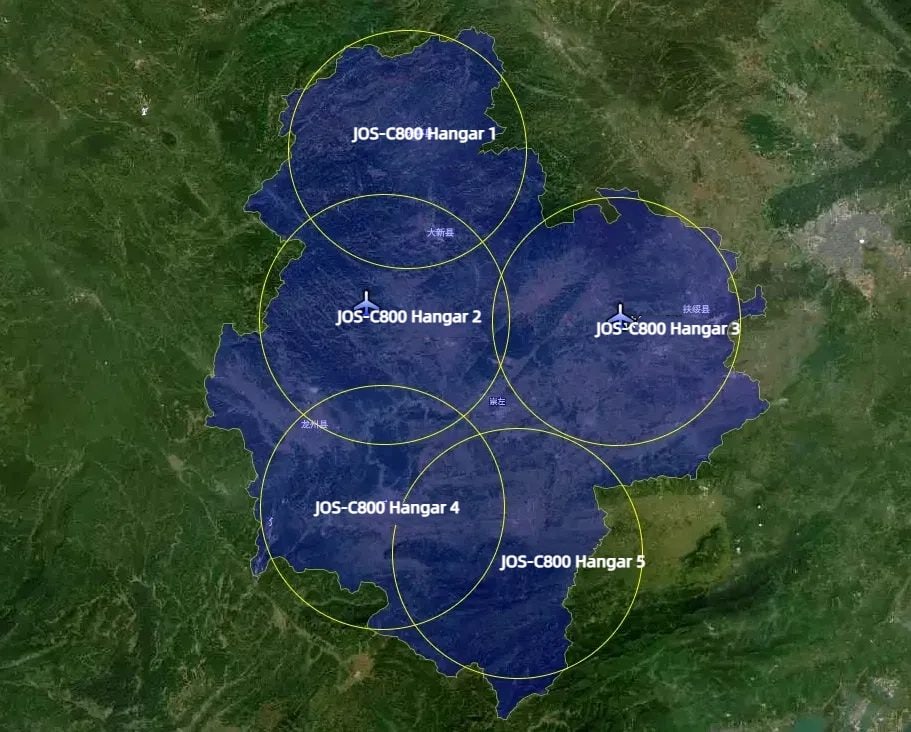
The location of the five hangers over 5,000+ square miles area | Credit: JOUAV
That is pretty incredible. And it’s also the future of how security drones, and monitoring drones, will operate.
How Security Drones Work
Drones for security are equipped with advanced technologies that enable them to monitor, detect, and respond to potential threats effectively.
There are several components that make up how they work but the core idea is simple:
- A drone flies on its own throughout an area, collecting visual and thermal data.
- That data is analyzed automatically using AI-powered software.
- The analysis reveals threats or problems, and issues a report to a person when threats are detected.
- The drone returns to its dock to recharge and another drone, or several, are deployed to take its place, ensuring constant coverage. (A tether could also help do this for a single drone.)
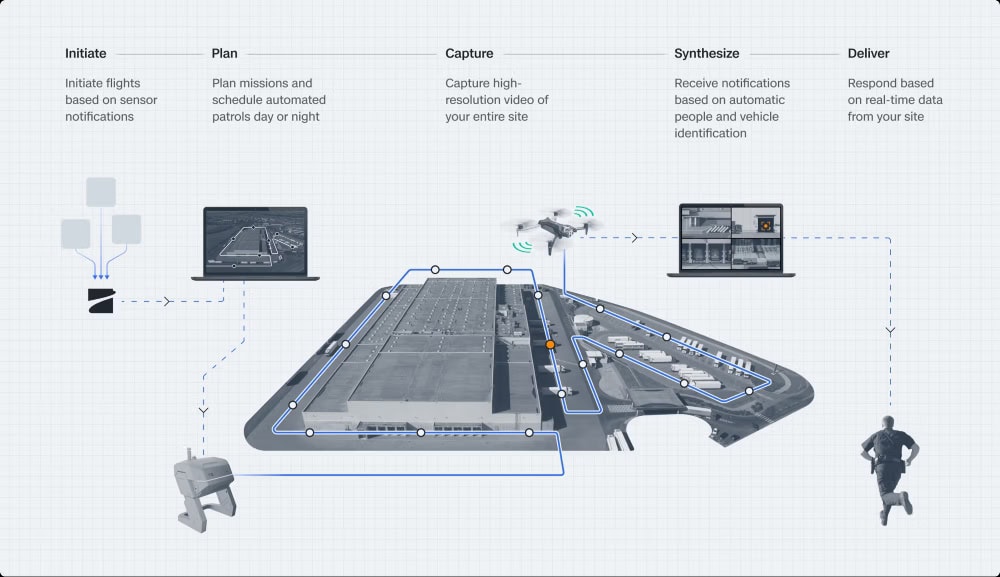
A graphic from Skydio showing the role of security drones in a larger security operation
This solution that can collect data and analyze all on its own may sound futuristic. But it’s already a reality across a range of industries.
Here are the components that make it possible.
1. Camera & Sensor Technology
Security drones rely on cutting-edge camera and sensor systems to capture detailed imagery and detect threats in real time. This is the raw data that allows the drone system to detect a threat.
Key components include:
- 4K HD cameras. Provide high-resolution live video feeds and recorded footage for detailed surveillance.
- Night vision. Enhances visibility in low-light conditions, making drones effective for 24/7 security monitoring.
- Thermal imaging. Detects heat signatures, allowing drones to identify people, vehicles, or animals in darkness or dense environments.
- Facial recognition. Some high-end models use AI-powered facial recognition to identify individuals of interest.
- LiDAR sensors. Used for 3D mapping and precise obstacle avoidance.
2. AI & Machine Learning
Artificial Intelligence (AI) and machine learning enhance the capabilities of drones for security, enabling them to operate with minimal human intervention. AI-driven security drones offer:
- Motion tracking. Identifies and follows moving objects, distinguishing between people, vehicles, and animals.
- Anomaly detection. Uses AI models to detect unusual activity and alert security teams in real time.
- Automated patrolling. Drones can autonomously patrol predefined routes and adjust their flight paths based on detected threats.
- Predictive analysis. Machine learning algorithms analyze past security incidents to predict potential risks.
3. Autonomous Navigation
Modern surveillance UAV systems use advanced navigation technologies to operate efficiently in various environments. Key navigation features include:
- GPS & RTK positioning. Provides precise location tracking and geofencing to ensure drones stay within designated areas.
- LiDAR-based navigation. Enables drones to navigate safely in GPS-denied environments such as urban areas or indoor spaces.
- Obstacle avoidance. Built-in sensors detect and avoid obstacles, allowing for safe autonomous flights.
- Return-to-Base (RTB). Ensures drones return to their charging stations when low on battery or when a mission is completed.
4. Connectivity & Real-Time Streaming
Security drones integrate seamlessly with existing security infrastructure through advanced connectivity and streaming capabilities. This allows real-time monitoring and rapid response.
- Live video feeds. Drones stream HD and thermal footage to security control rooms and mobile devices.
- 5G & LTE connectivity. Enables remote drone operation and live-streaming over long distances.
- Cloud-based storage. Automatically uploads recorded footage for future analysis and documentation.
- Smart alerts & integration. Drones can trigger alarms, notify security teams, or integrate with automated security systems.
Top 7 Industries That Use Security Drones
Security drones are widely adopted across various industries to enhance monitoring, improve safety, and respond swiftly to potential threats.
While they are not typically designed for military applications, they play a crucial role in commercial, industrial, and public safety operations. Below are the top industries utilizing security drones and their specific use cases.

Credit: ELISTAIR
1. Event Security & Public Gatherings
Law enforcement agencies and private security firms deploy drones for real-time surveillance at large events such as concerts, sports matches, and political rallies. Drones provide a bird’s-eye view, allowing security teams to respond quickly to emergencies.
- Crowd monitoring. Identifies potential security risks and bottlenecks in large gatherings.
- Emergency response. Assists in directing emergency personnel to critical areas.
- Suspicious activity detection. Uses AI-powered tracking to monitor individuals of interest.
2. Home Security
Security drones are becoming increasingly popular among homeowners looking for advanced surveillance solutions. Unlike traditional home security cameras, drones provide dynamic aerial monitoring, covering larger areas and reducing blind spots. Some models integrate with smart home systems, offering real-time alerts and automated patrols.
- Perimeter patrol. Monitors driveways, backyards, and property lines for suspicious activity.
- Intruder detection. Uses AI-powered motion tracking to detect unauthorized access.
- Smart home integration. Syncs with security systems for automated alerts and emergency response.
3. Industrial & Construction Site Security
Security drones help industrial sites and construction projects mitigate theft, monitor worker safety, and ensure compliance with operational protocols. Their aerial perspective allows for quick identification of potential hazards and unauthorized access.
- Theft prevention. Conducts aerial surveillance of equipment and materials to deter trespassers.
- Worker safety monitoring. Identifies potential hazards and compliance violations in real time.
- Site perimeter patrol. Conducts scheduled autonomous flights to monitor security zones.
4. Corporate & Critical Infrastructure Security
Warehouses, data centers, and energy facilities rely on security drones to protect sensitive assets and infrastructure. Drones enhance situational awareness and reduce reliance on on-site security personnel.
- Perimeter patrol. Monitors fences, entry points, and restricted zones.
- Automated threat detection. Uses thermal cameras and AI to detect intruders.
- Inspection & monitoring. Surveys power plants, pipelines, and other infrastructure for security threats.
5. Law Enforcement & Emergency Response
Police departments and emergency responders use drones for tactical surveillance, search and rescue, and crime scene documentation. Drones provide valuable intelligence in high-risk situations, reducing the need for direct human intervention.
- Search & rescue. Uses thermal imaging to locate missing persons in difficult terrain.
- Surveillance operations. Monitors criminal activity from a safe distance.
- Disaster response. Assesses damage and aids in emergency evacuation planning.
As security drones continue to evolve, their applications in these industries will expand, offering enhanced surveillance, safety, and operational efficiency across various sectors.
6. Logistics & Transportation Security
Security drones play a crucial role in monitoring logistics hubs, train yards, and freight transport operations. They help secure valuable cargo, prevent theft, and enhance operational efficiency for railways and trucking fleets.
Train Yard & Railway Security
- Rail yard surveillance. Monitors large train yards for trespassers, vandalism, and cargo theft.
- Rail line inspections. Drones inspect railways for damage, obstructions, or unauthorized activity.
- Bridge & tunnel security. Provides aerial surveillance of high-risk transit infrastructure.
Semi-Truck & Freight Security
- Depot & truck yard monitoring. Protects fleet parking lots from cargo theft and vandalism.
- Real-time freight tracking. Monitors high-value shipments as they move through distribution centers.
- Accident & incident response. Provides aerial footage of accidents or security breaches in real time.
With AI-powered threat detection and autonomous patrolling, drones are transforming security for logistics hubs, ensuring freight safety from dispatch to delivery.
7. Warehouse Security
Warehouses face significant security challenges, including theft, inventory loss, and unauthorized access. Security drones provide aerial surveillance, real-time monitoring, and automated patrols to safeguard valuable assets and streamline warehouse operations. Unlike traditional security cameras, drones offer dynamic coverage of both indoor storage areas and outdoor perimeters.
Indoor Warehouse Security
- Automated indoor patrols. Monitors aisles, loading docks, and restricted areas for unauthorized activity.
- Inventory tracking & asset monitoring. Uses RFID scanning and barcode recognition to track stock movement.
- Loss prevention. Deters internal theft and ensures compliance with security protocols.
Outdoor Perimeter Surveillance
- Fence line monitoring. Detects break-ins and intrusions along the warehouse perimeter.
- Vehicle & loading dock security. Ensures secure truck loading and unloading processes.
- AI-powered anomaly detection. Identifies suspicious activity and triggers alerts in real time.
By integrating AI-driven surveillance, automated patrol routes, and real-time alerts, security drones enhance warehouse safety, loss prevention, and inventory accuracy—making them an essential tool in modern logistics operations.
The Difference Between ISR Drones and Security Drones
While both security drones and ISR drones (Intelligence, Surveillance, and Reconnaissance) are used for surveillance and monitoring, they serve different purposes and are designed with distinct capabilities.
This section looks at the differences between ISR and security drones, highlighting their functions, applications, and overlapping technologies.
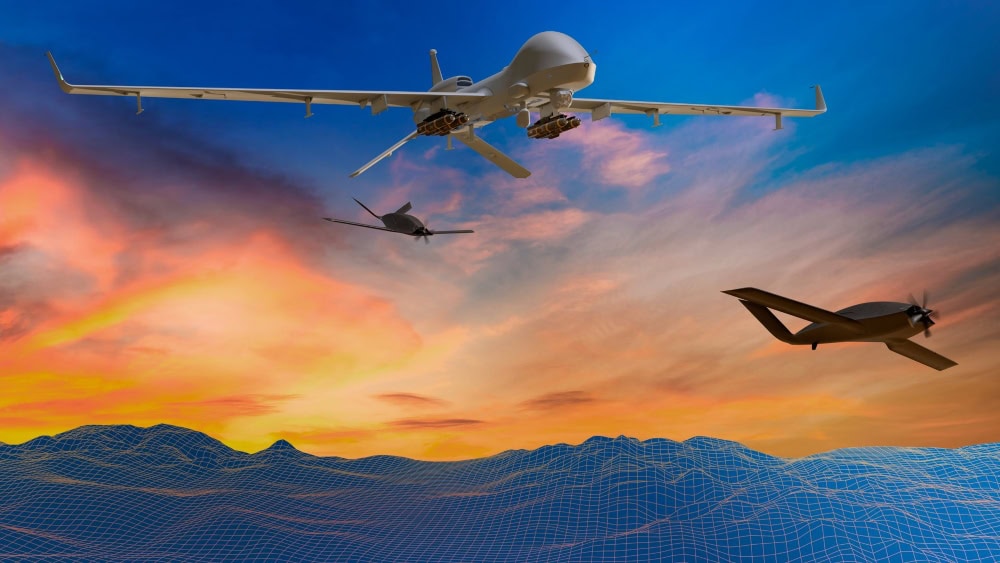
The Eagle ISR Drone from Grey Eagle
What Are ISR Drones?
ISR drones are military-grade UAV surveillance systems designed for intelligence gathering, battlefield reconnaissance, and long-range surveillance missions. These drones are typically used by defense agencies, law enforcement, and border security forces.
- High-altitude operation. Enables long-range surveillance over large areas.
- Encrypted communications. Ensures secure data transmission for military and defense applications.
- Long-endurance flight capabilities. Allows for extended missions without frequent landings.
- Advanced sensor payloads. Includes LiDAR, synthetic aperture radar, and infrared imaging.
What Are Security Drones?
Security drones, on the other hand, are commercial and consumer UAVs designed for monitoring properties, events, and public spaces. They provide aerial surveillance for businesses, homeowners, and security firms.
- HD/4K cameras. Provides high-resolution imagery for effective monitoring.
- Motion detection. Uses AI-powered tracking to identify and follow movement.
- Geofencing. Ensures drones remain within authorized flight zones.
- Thermal imaging. Enhances night-time and low-visibility security monitoring.
Key Differences Between ISR and Security Drones
| Feature | ISR Drones | Security Drones |
|---|---|---|
| Purpose | Military intelligence and long-range surveillance | Commercial and personal property monitoring |
| Payload | LiDAR, synthetic aperture radar, encrypted data transmission | HD/4K cameras, thermal imaging, night vision |
| Flight range | Hundreds to thousands of miles | Typically 5-15 miles |
| Autonomy | AI-driven, capable of full autonomous operations | Autonomous patrols with geofencing and AI tracking |
| Regulations | Operated under strict military and government guidelines | Regulated under FAA Part 107 for commercial use |
The Role of AI in Security Drone Technology
Artificial Intelligence (AI) is revolutionizing the capabilities of security drones, enhancing their ability to monitor, detect threats, and respond to security incidents autonomously. AI-driven surveillance UAV systems offer unparalleled efficiency, reducing human workload while improving accuracy in detecting and preventing security breaches.
AI-Powered Threat Detection
AI enhances the ability of drones for surveillance to identify potential threats and minimize false alarms. Key advancements in AI-powered threat detection include:
- Motion and object recognition. AI algorithms analyze movement patterns to differentiate between humans, vehicles, and animals.
- Anomaly detection. AI-powered drones detect unusual activity, such as unauthorized access or loitering in restricted areas.
- Facial and license plate recognition. Some advanced security drones can match facial features or license plates against a database to flag potential intruders.
- Predictive threat analysis. Machine learning models assess past security incidents to predict and prevent future breaches.
Automated Patrol Routes
AI enables surveillance UAV systems to conduct fully automated patrols, optimizing coverage and reducing human intervention. This includes:
- AI-generated flight paths. Security drones autonomously plan the most efficient patrol routes based on real-time security needs.
- Dynamic adaptation. AI-driven drones adjust their flight paths in response to detected movement, focusing on high-risk areas.
- Geofencing & no-fly zones. AI ensures drones operate within designated areas and avoid restricted airspace.
- Swarm intelligence. Some systems use AI-powered drone swarms that coordinate movements for maximum surveillance coverage.
Real-Time Data Processing & Security Integration
AI enhances the ability of drones for surveillance to process vast amounts of data in real time and integrate seamlessly with existing security systems:
- Live video analysis. AI-powered security drones provide instant threat detection through live streaming and automated alerts.
- Integration with security networks. Drones connect with alarm systems, surveillance cameras, and control centers for a unified security approach.
- Cloud-based storage & AI insights. AI categorizes and stores surveillance footage for future analysis, enhancing long-term security planning.
- Automated reporting. AI-generated security reports provide actionable insights for law enforcement and security teams.

Credit: Skydio
Security Drones FAQ
Which drone is best for security surveillance?
The best security drone depends on your specific needs. For commercial and industrial use, drones like the DJI Matrice 350 RTK and Autel EVO Max 4T offer thermal imaging, AI tracking, and long flight times. For home security, compact options like the DJI Mini 3 Pro or Parrot Anafi USA provide affordable surveillance solutions.
Can drones be used for security?
Yes, security drones are widely used for perimeter monitoring, event surveillance, and critical infrastructure protection. They provide real-time aerial surveillance, reducing security risks while enhancing response times.
Are surveillance drones legal?
Yes, but regulations vary by country and region. In the U.S., commercial UAV surveillance operations require an FAA Part 107 certification. Additionally, privacy laws restrict the use of drones for unauthorized surveillance of private properties or individuals.
How do you detect surveillance drones?
Detecting a surveillance drone can be done using radar detection systems, radio frequency (RF) scanners, and acoustic sensors. Anti-drone technologies, such as drone detection apps and jamming devices, are also available for high-security areas.
How long can a security drone stay in the air?
Flight time varies by model. Consumer drones typically have 20–40 minutes of flight time, while high-end security drones like the Percepto Air Max or DJI Matrice 350 RTK can fly for up to 55 minutes. Tethered drones, like the Easy Aerial SAMS-T, can stay airborne indefinitely when connected to a power source.
What features should I look for in a security drone?
Key features for a security drone include long battery life, night vision, thermal imaging, AI tracking, autonomous flight modes, and real-time data streaming. The best choice depends on the level of surveillance required.
Can drones operate autonomously for security purposes?
Yes, autonomous security drones are equipped with AI-powered patrol routes, motion tracking, and auto-return functions. Some models, like the Percepto Air and Skydio Dock, can be deployed remotely with minimal human intervention.
Do security drones work at night?
Yes, many drones for surveillance are equipped with infrared and thermal imaging cameras to operate effectively at night. Models like the Autel EVO Max 4T and DJI Matrice 30T provide excellent night-time visibility.
Are there laws against flying drones over private property?
Yes, drone laws vary by location, but in many countries, flying a security drone over private property without permission is restricted. Always check local laws regarding aerial surveillance and privacy before conducting security operations.