Drone Services Pricing: A Guide to Pricing Your Drone Work
BY Zacc Dukowitz
2 April 2026
To get drone services pricing right you need to consider three main factors:
- The type of drone work
- The level of skill required to do it
- The location where the work is being done
But these are just a starting place.
You should also think about post-processing/editing time, the cost of your gear, and other tasks that might take time—things like applying for a waiver or scouting the location where you plan to fly.

New trends are also changing drone services pricing.
Advances in drone technology from high-resolution sensors, longer battery life, and AI-powered data analysis are helping drone pilots offer more sophisticated deliverables at higher prices.
At the same time, demand for drones is expanding across a range of industries, including agriculture, energy, public safety, and marketing. And this rising demand is letting drone pilots charge more for their services, especially in specialized areas, while also creating new opportunities for value-based pricing models.
In this guide, we’ll break down everything you need to know about drone services pricing today—from typical price ranges to the factors that influence costs and how to choose the right provider.
Here’s a menu in case you’d like to jump around:
- Common Pricing Models for Drone Services
- 5 Tips for Setting Competitive Prices
- Drone Photography Prices & Drone Videography Pricing
- Industry-Specific Drone Services Pricing
- 5 Extra Costs to Keep in Mind When Setting Prices
- Drone Services Pricing FAQ
Common Pricing Models for Drone Services
When it comes to pricing drone services, there’s no one-size-fits-all approach.
The right pricing model depends on the type of work, the client’s needs, and how a drone service provider wants to structure their business. Understanding these options can help clients budget effectively and help pilots communicate their value clearly.
Here’s an overview of the different pricing models with key considerations:
Comparing Different Models for Drone Services Pricing
| Pricing Model | Best For | Advantages | Challenges | Typical Range (2025) |
|---|---|---|---|---|
| Flat rate per project | Real estate shoots, marketing videos | Predictable costs, easy budgeting, builds client trust | Risk of underestimating time or scope | $300 – $1,500 per project |
| Hourly rate | Inspections, events with unpredictable timing | Flexible, scalable to actual work performed | Harder for clients to budget total cost upfront | $150 – $400 per hour |
| Day rates / half-day rates | Large-scale surveys, construction monitoring | Fair for extended time commitments, clear structure | Less ideal for small or short jobs | $1,000 – $3,000 per day |
| Subscription / retainer | Ongoing monitoring, agriculture, infrastructure | Predictable income, stronger client relationships | Requires client commitment, long-term planning | $500 – $2,000 per visit (varies) |
| Value-based pricing | Critical inspections, high-impact projects | Reflects true value, supports premium fees | Requires clear value communication to justify cost | $2,000 – $10,000+ depending on scope |
Keep reading to learn a little more about each one of these models for drone services pricing.
Flat Rate
A flat rate per project is one of the most common and straightforward pricing models.
In this setup, the drone service provider quotes a single price for the entire job, regardless of the time it takes to complete.
This approach offers clients predictable costs and makes budgeting simple. It’s often used for real estate shoots, marketing videos, or other well-defined deliverables where the scope is clear from the start. For providers, it allows for streamlined proposals and helps build trust through upfront transparency.
Hourly Rate
Some drone service providers prefer to charge an hourly rate, which can range anywhere from $150 to $400 per hour in 2025, depending on factors like equipment, expertise, and location. This model usually includes flight time, pre-flight planning, and basic editing or data delivery.
Hourly pricing is especially useful for jobs with unpredictable variables, such as site inspections that may uncover unexpected issues or events that run longer than planned. It offers flexibility but can be harder for clients to budget if they aren’t sure how much time will be needed.
Day Rates or Half-Day Rates
For longer shoots or projects requiring a full day’s commitment, many providers offer day rates or half-day rates. This model is common for construction progress monitoring, large-scale land surveys, or commercial video shoots that require multiple takes and setups.
Day rates can range from $1,000 to $3,000 depending on the complexity and deliverables included. This approach ensures providers are fairly compensated for dedicating an entire day or half-day, and gives clients predictable pricing for extended, uninterrupted coverage.
Subscription or Retainer Packages (For Ongoing Work)
In industries that require regular updates—like construction, agriculture, or infrastructure monitoring—subscription or retainer packages are increasingly popular. These agreements involve recurring flights and data deliveries at a set interval, often monthly or quarterly.
Clients benefit from consistent, scheduled data without having to renegotiate pricing for each visit, while providers enjoy predictable income and stronger long-term relationships. This model supports deeper planning and more reliable outcomes for both sides.
Value-Based Pricing
Value-based pricing focuses on the specific value or impact of the drone work rather than just the time or number of flights. This approach is often used for critical inspections, emergency services, or niche mapping projects where accuracy and expertise are paramount.
For example, inspecting a high-voltage transmission line or conducting a post-disaster damage assessment carries higher stakes and requires specialized skills and equipment. As a result, these services can command premium fees that reflect their critical importance and the risks involved.

Credit: DJI
5 Tips for Setting Competitive Prices
Setting your pricing as a drone service provider can feel like a balancing act.
You want to remain competitive, cover your costs, and reflect the true value of your expertise. By taking a thoughtful, strategic approach, you can attract quality clients while building a sustainable drone business.
1. Understanding the Market
Before setting your prices, you need to research both local and national trends. How much are people charging for the services you offer where you live, and throughout the U.S.?
Looking at competitor websites, industry reports, and local market data helps you understand what clients expect to pay and where you can position yourself.
But remember, benchmarks are a starting point—not a final answer. Use them to get a sense of the landscape but customize your pricing based on your unique services, equipment, and skills.
2. Building Value-Based Packages
Rather than just billing by the hour or per project, consider creating value-based packages that focus on outcomes.
For example, you might bundle aerial photos with edited highlight reels, or offer periodic progress reports for construction clients.
These packages highlight outcomes and overall benefits, making it easier to upsell complementary services and foster long-term relationships.
Examples of value-based packages include:
- Monthly progress tracking for a construction site with photos, videos, and analytics reports
- Premium real estate packages including twilight shots, neighborhood flyovers, and short marketing videos
3. Communicate Your Pricing Clearly to Clients
Transparency builds trust.
Always include detailed breakdowns in proposals and contracts, specifying what’s included, timelines, and potential extra costs (such as travel or rush delivery).
When discussing pricing, be prepared to address objections confidently. Explain the value behind your rates and how they reflect your training, equipment, and the quality of your deliverables. This positions you as a professional rather than a commodity.
4. Adjust Prices for Specialization and Niche Services
If you offer specialized services like thermal inspections or multispectral mapping, it’s reasonable—and often necessary—to charge higher rates. These jobs often require extra certifications, specialized equipment, and higher insurance coverage.
Emphasize your expertise and the unique value these niche services deliver. Clients in specialized fields usually understand the premium and appreciate the added assurance that comes with working with an expert.
5. Seasonal or Demand-Based Adjustments
Demand for drone services can fluctuate throughout the year.
For instance, real estate aerial shoots may spike in spring and summer, while agricultural surveys align with planting and harvest seasons.
Consider adjusting your prices to reflect these demand cycles strategically. During peak seasons, higher rates can help manage workload and maximize revenue. In slower periods, special promotions or package deals can help maintain steady business.

Credit: Freefly
Drone Photography Prices & Drone Videography Pricing
Drone photography and videography have become some of the most in-demand drone services today.
From stunning real estate shots to cinematic marketing videos, these services can dramatically elevate a project’s visual appeal.
But understanding drone photography prices and drone videography pricing can be challenging without a clear breakdown of what goes into the cost.
Pricing Overview
| Service Type | Typical Price Range (Per Hour) | Typical Price Range (Per Project) | Common Deliverables | Example Use Cases |
|---|---|---|---|---|
| Basic Real Estate Photography | $150 – $250 | $300 – $500 | 10–20 edited images, basic corrections | Standard property listings |
| Premium Real Estate Videography | $300 – $500 | $1,000 – $2,500 | Short highlight video, cinematic edits | Luxury home showcases |
| Event Coverage (Photo) | $250 – $400 | $500 – $1,500 | Event highlights, candid shots | Weddings, sports, festivals |
| Commercial Marketing Video | $400 – $500 | $2,000 – $5,000 | Edited promo video, branding elements | Corporate marketing, product launches |
| Tourism or Destination Showcase Video | $400 – $500 | $3,000 – $5,000+ | Cinematic video, advanced editing, licensed music | Travel campaigns, tourism boards |
Drone Photography Prices
In 2025, the average price range for drone photography services typically falls between $150 and $400 per hour or $300 to $1,500 per project.
These rates can vary widely depending on factors like location, complexity, and the photographer’s experience.

A drone wedding photo | Credit: Daniel Lopez Perez / Photo Logica
Most drone photography services include a set number of edited images, access to raw files if requested, and basic post-processing to correct colors and enhance image quality. Some providers might offer additional editing or custom graphics as an add-on service.
Several key factors impact drone photography services pricing:
- Location and travel requirements. Longer travel distances or harder-to-access sites may lead to additional fees.
- Complexity and style. Creative, high-end shoots requiring advanced planning or difficult maneuvers often cost more.
- Experience and portfolio strength. Established pilots with a strong track record can justify higher rates.
- Equipment quality. Using high-resolution cameras or specialty lenses adds value but also increases costs.
For example, a basic real estate shoot in a suburban area might cost around $300 to $500 per project. Meanwhile, photographing a luxury property with multiple angles, aerial staging, and advanced editing could reach $1,500 or more.
Event coverage—like weddings or sports—often sits at the higher end of the pricing range because it requires creative direction and the ability to capture unpredictable, dynamic moments. Commercial marketing campaigns can also command premium rates when branding, strategy, and storytelling are involved.
Drone Videography Pricing
Drone videography services typically range from $200 to $500 per hour or $1,000 to $5,000 per project in 2025. These prices depend on the scope of the shoot, post-production complexity, and the level of cinematic quality desired.
Basic packages usually include raw footage and a simple highlight reel. However, higher-end projects often involve advanced color grading, motion graphics, licensed music, and sometimes professional voiceovers.
Additional costs may include:
- Complex post-production and advanced editing workflows
- Special effects, animations, or branded overlays
- Music licensing fees or hiring a voiceover artist
These added services are especially common in tourism promos, luxury real estate showcases, or major advertising campaigns. In these cases, the extra investment helps deliver a polished, high-impact final product that can significantly boost a brand’s visibility and perceived value.
Industry-Specific Drone Services Pricing
How much you make as a drone pilot can vary dramatically depending on the industry and the specific type of work you’re doing.
Each type of drone work has unique needs, risks, and deliverables that affect how providers set their rates. By understanding these differences, both clients and drone service providers can make better decisions and set realistic expectations.
Drone Services Pricing by Industry
| Industry | Common Services | Typical Pricing Structure | Example Price Ranges or Models | Key Factors Affecting Cost |
|---|---|---|---|---|
| Agriculture | Crop monitoring, mapping, spraying | Per acre, per flight, per report | $5–$20/acre; $500–$1,500/mission; $1,000–$3,000/report | Farm size, data depth, sensor tech |
| Construction & Infrastructure | Progress monitoring, 3D mapping, volume measurements | Per project, periodic contracts | $1,000–$3,000/project; $500–$2,000/visit | Site size, access, deliverable detail |
| Energy & Industrial Inspections | Power line, turbine, pipeline inspections | Per asset, per inspection, annual contracts | $300–$1,000/asset; $1,500–$5,000/session; $20K+/annual | Risk level, equipment, compliance needs |
| Public Safety & Emergency Response | Search & rescue, disaster mapping | Contracts, per mission (if not full-time work) | $1,000–$5,000/mission | Urgency, mission complexity, public funding |
Keep reading for a closer look at each sector.
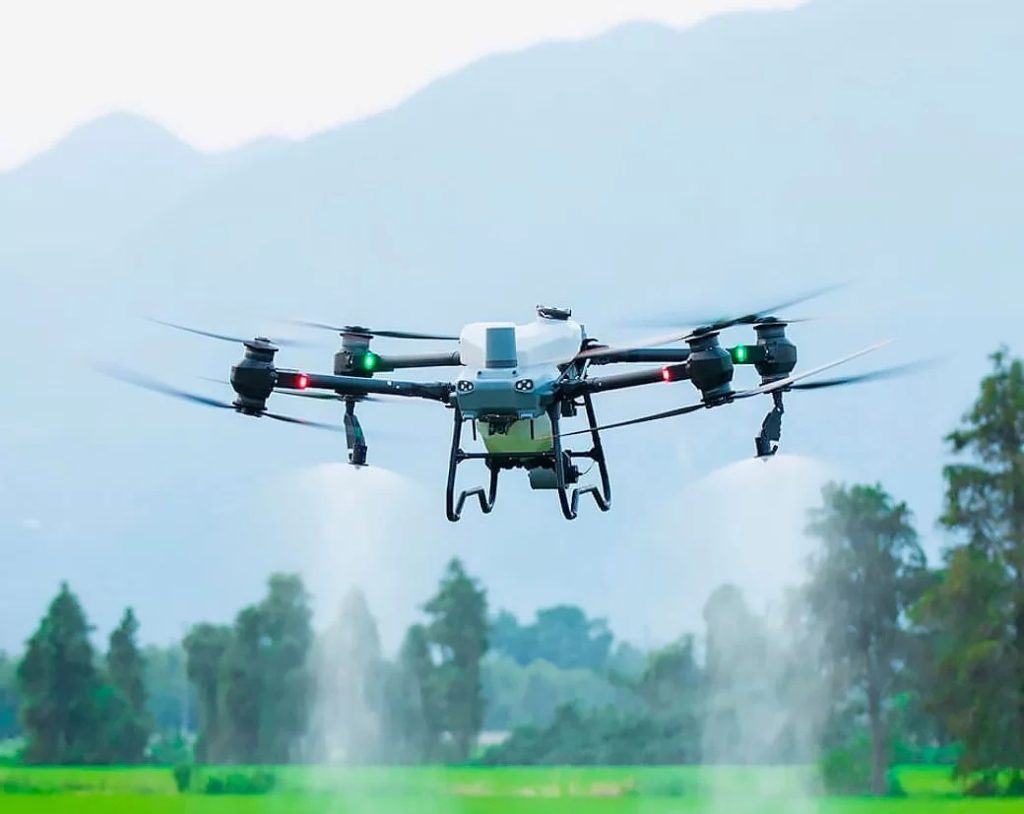
Agriculture Drone Services Pricing
Credit: DJI
Agriculture has become one of the fastest-growing markets for drone services.
Farmers and agronomists use drones for crop monitoring, multispectral mapping, targeted spraying, and plant health analysis. These high-tech tools help maximize yields and reduce costs by providing precise data and actionable insights.
Pricing for agriculture drone services is often structured in one of three ways:
- Per acre. Common for large-scale monitoring or spraying operations, ranging from $5 to $20 per acre depending on data detail and area size.
- Per flight mission. Best for one-time surveys or seasonal updates, typically $500 to $1,500 per mission.
- Per analysis report. Includes data collection and expert analysis, ranging from $1,000 to $3,000+ depending on the complexity.
Key factors that influence agriculture drone services pricing include the size of the farm, the depth of data required, and the technology used—such as advanced sensors or AI-driven analytics.
As demand for precision agriculture continues to rise, more farms are investing in regular drone data to stay competitive.
Construction and Infrastructure

Credit: 4Blades Digital
In construction and infrastructure, drones are widely used for progress monitoring, 3D mapping, orthomosaic surveys, and volumetric measurements like stockpile analysis. These services improve safety, save time, and provide up-to-date insights to stakeholders.
Pricing in this sector can be either project-based or periodic:
- Project-based pricing. One-time surveys or mapping services usually range from $1,000 to $3,000 per project depending on site size and detail required.
- Periodic rates. Ongoing weekly or monthly monitoring contracts can cost $500 to $2,000 per visit, with discounts often offered for long-term agreements.
Factors that affect construction drone pricing include site size, complexity of the structures being monitored, access restrictions, and the level of data analysis needed. Large or high-risk sites may require more advanced equipment and more experienced pilots, driving up costs.
Inspection Services
Credit: DJI
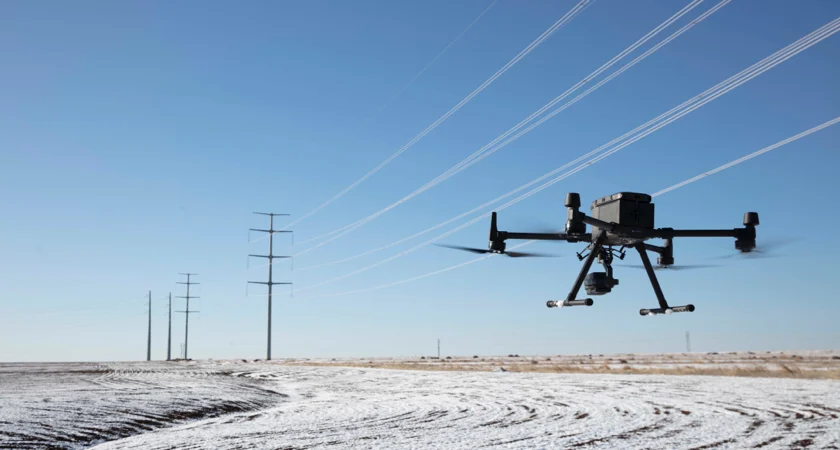
Drone inspections in industries like energy, telecom, and heavy industry are specialized services often involving high-risk environments. Common inspections include powerlines, wind turbines, cell towers, and pipelines. These missions demand precise piloting skills and strict compliance with safety and regulatory standards.
Inspection pricing tends to be higher due to:
- High-risk conditions and specialized training requirements
- Specialized sensors (e.g., thermal imaging, LiDAR)
- Stringent insurance and compliance costs
Pricing models for inspections may be per asset (e.g., $300 to $1,000 per tower), per inspection session (e.g., $1,500 to $5,000), or annual service contracts for large networks, which can reach $20,000 or more depending on coverage needs.
Public Safety and Emergency Response
Credit: Skydio
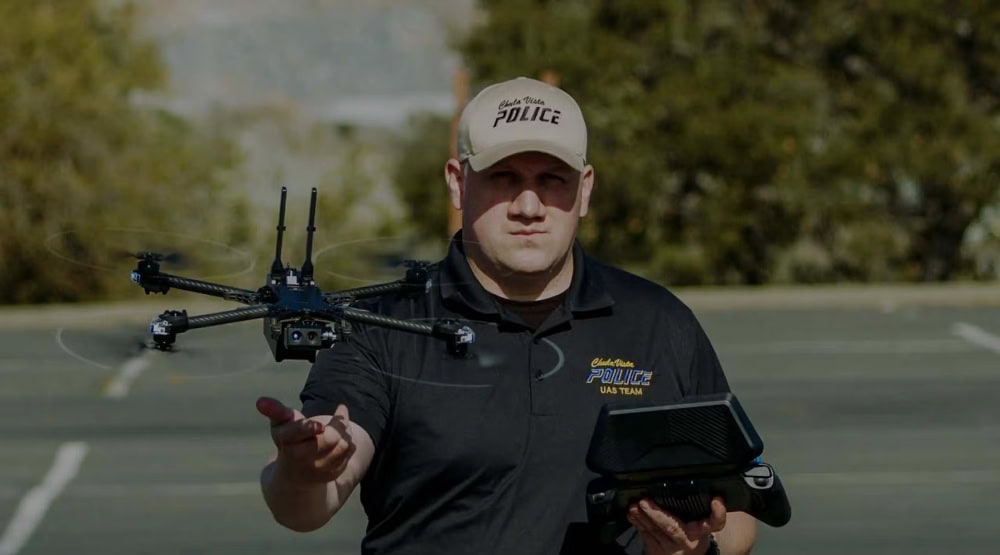
Drones play an increasingly vital role in public safety and emergency response, including search and rescue missions, disaster mapping, wildfire monitoring, and supporting law enforcement operations.
Pricing models in this sector are often:
- Contract-based. Long-term agreements with municipalities or agencies that ensure rapid deployment and ongoing availability.
- Per mission. On-demand deployments usually ranging from $1,000 to $5,000 per mission, depending on urgency and complexity.
In some cases, pricing may be subsidized, donated, or covered through grants, especially for non-profit or emergency situations. The value of these services often extends far beyond dollars, potentially saving lives and preventing further damage during critical events.
5 Hidden Costs to Keep in Mind When Setting Prices
When thinking about your pricing for drone services, there are several ways you’re spending time and money that you might not immediately think about when writing up an invoice.
But you should. Keeping these hidden costs in mind will help you save money in the long run, and avoid eating extra fees and costs that you may want to pass on to your clients.
Here are five hidden costs to remember when setting your pricing for drone services.
1. Travel Costs
Travel is one of the most common additional costs. This can include the time, mileage, and effort needed to bring equipment and personnel to the project site. Travel fees are often calculated either per mile (e.g., $0.50–$1.00 per mile beyond a set radius) or as a flat rate for jobs outside a service area.
Make sure to explain any travel fees clearly in proposals or contracts to avoid misunderstandings.
2. Rush Costs
Rush delivery is one of the easiest ways to lose time (and money) if not properly accounted for. When a client requests photos or videos on a tight turnaround—for example, to meet an urgent marketing campaign or an unexpected media deadline—you’ll likely need to work overtime or bump other jobs to meet their timeline.
Make sure to include rush fees in your pricing structure, typically ranging from 20% to 50% above your standard rates. Charging appropriately for expedited work helps cover the extra editing hours and operational strain, while ensuring your schedule stays balanced and sustainable.
3. Special Permits or Airspace Authorizations Costs
Flying in controlled airspace, at night, or near sensitive infrastructure will require special FAA waivers or local permits. These authorizations can involve additional paperwork, administrative time, and sometimes higher insurance costs.
As a drone service provider, you should always consider these fees when quoting a project. Charging for the extra time and effort to obtain necessary approvals not only protects your bottom line but also reinforces your professionalism and commitment to safe, legal operations.
4. Data Processing and Storage Costs
Drone projects can generate massive amounts of data—from high-res images to large video files and 3D models. Processing, editing, and securely storing this data all come with costs, whether it’s software subscriptions, external drives, or cloud storage fees.
Include these data-related expenses in your pricing, and be clear with clients about how long you will host or store files, what formats they’ll receive, and any options for extended access or advanced analytics. This transparency helps avoid unexpected expenses and ensures your services remain sustainable.
5. Additional Crew Costs
More complex missions may require extra hands on deck. Visual observers for BVLOS flights, ground safety spotters, or specialized equipment operators all add to your operational costs.
Additional crew costs can range from $300 to $700 per day, depending on the expertise required. Be sure to account for these when setting your rates. Not only does this keep your margins healthy, but it also emphasizes the importance of safety and thoroughness in complex or high-risk operations.

Credit: Flyability
Drone Services Pricing FAQ
Here are answers to the most common pricing questions asked by drone service providers.
How should I decide between hourly, project, or value-based pricing?
Choosing a pricing model depends on your services, project complexity, and client needs. Hourly rates work well for unpredictable tasks, while project rates are ideal for clearly defined deliverables. Value-based pricing is best for specialized, high-impact work where your expertise creates significant client value.
What factors should I include when calculating my rates?
Your rates should account for time on-site, planning, editing, data processing, equipment depreciation, insurance, certifications, travel, and potential crew costs. Including all these factors ensures your pricing is sustainable and accurately reflects the full scope of your work.
How can I adjust my prices for specialized services?
When offering niche services like thermal inspections or multispectral mapping, factor in specialized equipment costs, additional training, and higher insurance premiums. Don’t hesitate to charge premium rates—clients typically understand the value of specialized expertise and the risks involved.
Should I offer discounts or negotiate rates with clients?
Offering discounts can help secure long-term or high-volume contracts, but you should be cautious about underpricing. Instead of lowering rates, consider adjusting deliverables to meet a client’s budget while protecting your margins. Transparent communication is key.
How do I handle travel and additional expenses in my pricing?
Always include travel fees, permit costs, and potential rush or storage charges in your quotes. Break these out clearly in proposals and contracts so clients understand what they’re paying for and you don’t absorb unexpected costs later.
How often should I review and update my pricing?
It’s a good practice to evaluate your pricing at least once a year. Factor in new equipment investments, rising operational costs, evolving market rates, and your growing expertise. Regular adjustments help keep your business profitable and competitive.
What’s the benefit of offering subscription or retainer packages?
Retainer models provide predictable income and strengthen client relationships. They’re ideal for clients needing regular updates, like construction or agriculture. These packages also help with long-term planning and cash flow stability for your business.
Is it worth investing in more advanced equipment to justify higher rates?
Yes—higher-quality equipment can expand your service offerings, improve deliverables, and support premium pricing. However, you should ensure there’s demand in your market for the advanced capabilities you plan to offer before making large investments.