Can You Fly a Drone Over Private Property? [New for 2026]
BY Zacc Dukowitz
4 February 2026Can you fly a drone over private property?
The answer is yes—you can absolutely fly a drone over private property.

That being said, you need to understand the legal gray areas that come with low-altitude flights, especially when they involve homes, backyards, or sensitive locations.
Flying drones over private property in the U.S. sits at the intersection of federal airspace law, state privacy protections, and local ordinances. While the FAA controls the airspace and generally permits flight over private land, that doesn’t mean every drone flight is welcome—or even legal—depending on how it’s conducted.
In this guide, we’ll walk through the key rules and risks you need to know. We’ll cover what the FAA allows, when you might be violating someone’s privacy, whether police can fly drones over private property, how long is too long to hover, and more.
Here’s a menu in case you’d like to jump around:
- What the FAA Says About Flying Drones Over Private Property
- State Laws and Local Ordinances
- So Can I Fly a Drone in My Neighborhood?
- What about Property Owner Rights?
- Can Police Fly Drones Over Private Property?
- FAQ–Flying Drones Over Private Property
What the FAA Says About Flying Drones Over Private Property
The FAA governs all navigable airspace in the U.S., including the airspace directly above private property.
This means that, legally, drone pilots are allowed to fly over private land as long as they follow FAA regulations.
So yes—you can fly drones over private property under federal rules, assuming you stay within Part 107 guidelines (for commercial drone pilots) or the recreational rules under Section 44809 (for recreational flyers).
Low Altitude Considerations
However, things get more complicated when drones are flown at very low altitudes.
While the FAA claims authority starting at the ground, property owners also have rights that protect their reasonable use and enjoyment of the space directly above their land. This gray zone—generally considered to be the first 100–200 feet above ground level—is where drone operations can raise privacy concerns or even lead to civil disputes.
The FAA does not define a minimum altitude for drone flight over private property unless safety is at risk.
According to 14 CFR § 91.119, crewed aircraft must stay at least 500 feet above the ground in most areas. But drones aren’t subject to this rule. Instead, drone pilots are expected to fly safely, avoid reckless behavior, and yield to manned aircraft.
In short, flying drones over private property is allowed by the FAA—but that doesn’t mean it won’t raise legal or neighborly issues at lower altitudes.

State Laws and Local Ordinances
While the FAA regulates airspace nationwide, individual states and municipalities have enacted their own laws governing drone operations, particularly concerning privacy and property rights.
These regulations can vary significantly, addressing issues such as surveillance, trespassing, and the use of drones over private property.
For instance, some states have specific statutes that prohibit using drones to capture images of individuals on private property without consent, aiming to protect residents from unwarranted surveillance. And some municipalities may have ordinances restricting drone flights over parks, schools, or residential areas to safeguard public safety and privacy.
Given the variability of these laws, it’s important for drone pilots to familiarize themselves with the regulations specific to their intended flight areas.
Here’s a chart covering state laws related to drone operations over private property:
| State | Regulations | Source Link |
|---|---|---|
| CA | Prohibits using drones to capture images that invade personal privacy without consent. | AB 856 |
| FL | Bans use of drones to capture images of people on private property when they have a reasonable expectation of privacy. | SB 766 |
| IN | Makes drone-based electronic surveillance of private property without permission a criminal offense. | HB 1009 |
| MI | Restricts drones from being used for stalking, harassment, or violating personal privacy. | SB 992 |
| NC | Limits flying drones over private property and prohibits surveillance without permission. | NC Gen. Stat. § 15A-300.1 |
| OH | Requires drone users to avoid recording in areas where individuals expect privacy. | Rule 3341-6-50 |
| OK | Prohibits drones from engaging in unauthorized surveillance or trespassing over private property. | HB 3171 |
| PA | Makes it illegal to use drones for surveillance, harassment, or smuggling. | Title 18 Sec. 3505 |
| SC | Restricts drone flights with cameras over private property without prior consent. | SB 498 |
| TN | Outlaws using drones to intentionally surveil private individuals or property without a warrant or consent. | SB 1892 |
| TX | Prohibits capturing or sharing images of people or property by drone without consent. | HB 912 |
| VA | Flying a drone within 50 feet of a home without permission is considered a misdemeanor. | 4VAC15 |
| WA | Bans drone use in locations where people have a reasonable expectation of privacy. | WAC 172-110-070 |
| WI | Makes it illegal to use drones for surveillance in areas where individuals expect privacy. | 942.10 |
So Can I Fly a Drone in My Neighborhood?
Yes, you can legally fly a drone in your neighborhood. You just need to follow FAA regulations and fly safely.
Whether you’re flying recreationally under Section 44809 or commercially under Part 107, the rules allow you to operate in residential areas, including around homes, parks, and suburban streets.
However, legality doesn’t always mean your neighbors will be okay with it. Flying close to homes can raise privacy concerns, especially if you’re hovering, filming, or flying repeatedly in the same spot.
Many complaints about drones in neighborhoods stem from behavior that feels intrusive, even if it’s technically allowed.
Here are some tips for reducing the chances of conflict or being reported:
- Keep flights short and purposeful. Avoid hovering over the same property or flying aimlessly.
- Fly at a respectful altitude. Stay well above rooftop level unless you’re performing a specific task like a roof inspection.
- Don’t fly over backyards or windows. These areas are considered private, and flying over them can trigger privacy concerns.
- Let people know what you’re doing. A quick explanation can go a long way if someone asks why you’re flying.
- Use the camera responsibly. Don’t point your drone’s camera into private spaces like windows, yards, or pools.
- Fly only during appropriate hours. Avoid early morning or late-night flights that might disturb others.
How Long Can You Fly a Drone Over Private Property?
There’s no federal law that sets a specific time limit for how long you can fly a drone over private property. As long as you’re following FAA rules for altitude, airspace, and safety, your flight is likely legal.
But from a privacy and etiquette perspective, how long you stay over someone’s home or yard matters.
Lingering too long—especially if the drone appears to be filming or hovering in place—can quickly feel invasive. Even if you’re not breaking the law, people may assume you are, and they might call the police or file a complaint.
Here are a few scenarios where “excessive duration” can become a problem:
- Hovering over a backyard for 5–10 minutes with the camera pointed down
- Flying repeated passes over the same home or street without a clear purpose
- Remaining stationary near windows, pools, or other private spaces
If you need to fly over private property—for example, to perform a roof inspection or document a real estate listing—keep the flight short, stay high, and avoid hovering over spaces where people might feel exposed.
The longer your drone lingers, the more likely it is to raise concerns about surveillance or spying.
Tips for Responsible Flying Near Private Property
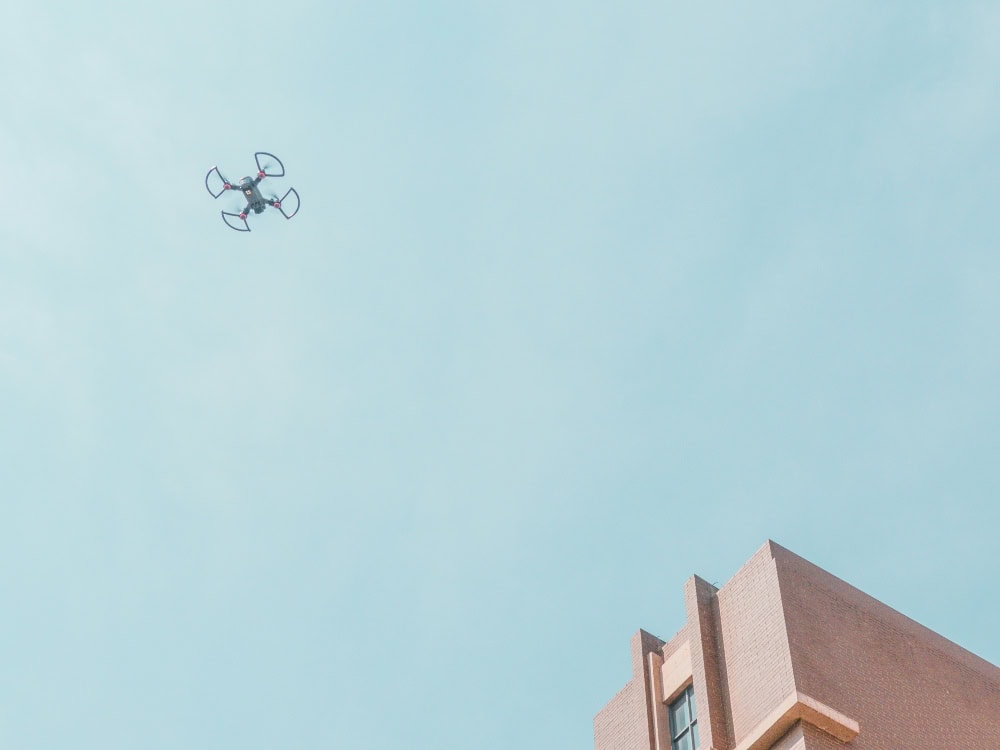
If you’re flying drones over private property or near residential areas, it’s important to fly respectfully and minimize the chance of complaints.
Even if your flight is legal, neighbors may feel uneasy if a drone appears to be watching them or lingering too long.
A few basic precautions can help avoid misunderstandings and build trust in your community:
- Plan ahead. Know your airspace, understand nearby property lines, and plan your flight path to avoid hovering over homes or backyards.
- Keep flights short. The longer you hover over a specific property, the more likely it is to draw concern or complaints.
- Stay visible and identifiable. Don’t hide when flying—remain in plain view, wear a safety vest, and be prepared to answer questions if approached.
- Use a visual observer. If possible, fly with a spotter who can help monitor surroundings and alert you to any concerns on the ground.
- Respect privacy zones. Avoid pointing your camera into windows, yards, or other private areas, even unintentionally.
- Be calm and courteous. If someone approaches you, explain what you’re doing clearly and respectfully. A quick conversation can often de-escalate tension.
What About Property Owner Rights?
Even though the FAA allows drones to fly over private property, that doesn’t mean the people who live there will be okay with it.
Many homeowners view drones over private property as intrusive—especially if a drone is hovering low, flying repeatedly, or capturing images of backyards, windows, or family members.
While federal law doesn’t prohibit flying drones over private property, state and local laws may come into play. Some states have passed aerial trespass laws that treat persistent or low-altitude flights over private land as a violation of property rights. Others focus on privacy protections, especially when a drone is equipped with a camera or thermal sensor.
Because there’s no universal standard for aerial privacy, drone pilots could face legal challenges—even civil lawsuits—if a property owner believes their rights were violated. This risk is especially high in situations where a drone appears to be filming or lingering near homes or people.
To avoid legal or neighborly conflict, drone pilots should always respect property boundaries and avoid behavior that might be perceived as surveillance. Consider these common triggers for complaints:
- Hovering over backyards or pools
- Flying below rooftop level or close to windows
- Flying repeatedly over the same property
- Capturing video or photos without clear consent
Ultimately, even a legally allowed drone flight can still feel like an invasion of privacy. When flying near private property, it’s best to be visible, brief, and respectful—and avoid creating the appearance of spying or surveillance.
What to Do If Someone Is Flying a Drone Over Your Property
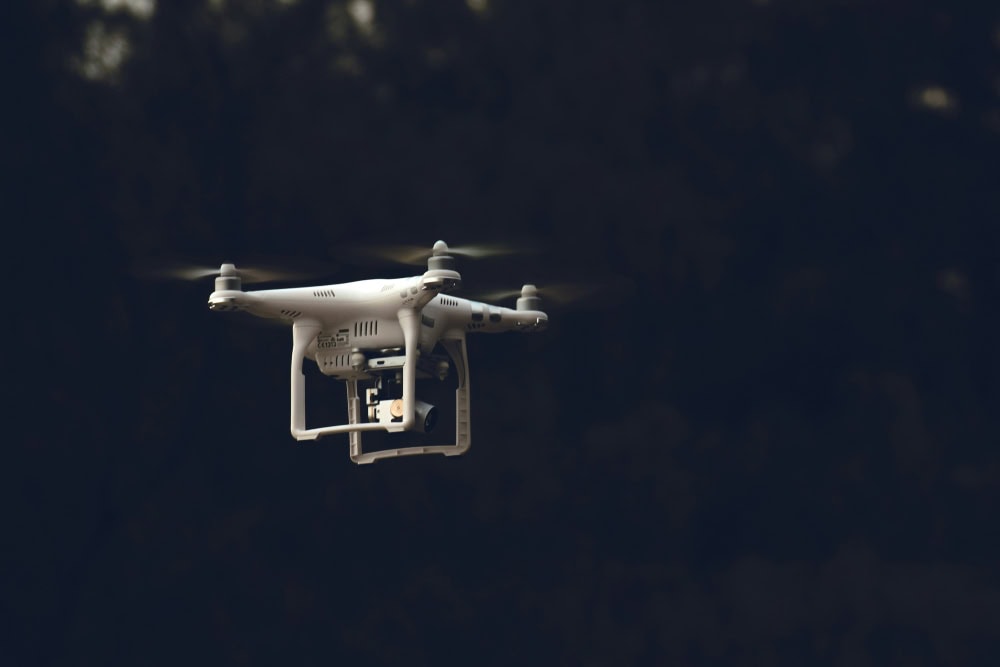
If you notice a drone flying over your home or backyard and it feels intrusive, you’re not alone.
Many people are uncomfortable with drones over private property, especially when they hover or appear to be recording. While it may be frustrating, it’s important to respond calmly and legally.
You cannot legally shoot down a drone, interfere with its signal, or attempt to damage it in any way—even if it’s flying over your land. Drones are protected under federal law as aircraft, and tampering with them can lead to serious criminal charges.
Instead, take the following steps:
- Document the incident. Record video or take photos of the drone’s flight path, time of day, and any identifiable markings.
- Speak with the pilot. If you can locate the person flying the drone and feel safe doing so, calmly ask about their purpose. They may not realize they’re causing concern.
- Report to local law enforcement. If the drone seems to be spying or harassing, or if the operator refuses to stop, file a report with your local police department. Some states have specific laws against aerial trespass or invasion of privacy.
- Submit a complaint to the FAA. You can report unsafe or reckless drone operations through the FAA’s DroneZone portal or by calling your local Flight Standards District Office (FSDO).
While it may feel like your privacy is being violated, handling the situation through proper channels is the safest and most effective way to resolve it.
Can Police Fly Drones Over Private Property?
The use of drones by law enforcement over private property is a complex issue that intersects with Fourth Amendment protections against unreasonable searches and seizures.
While the FAA regulates airspace, the application of constitutional rights determines when and how police can deploy drones for surveillance.

Fourth Amendment Protections
The Fourth Amendment safeguards individuals from warrantless searches, ensuring a reasonable expectation of privacy. Courts have traditionally ruled that observations made from public airspace do not constitute a search.
However, the advent of drones, capable of low-altitude and prolonged surveillance, challenges these precedents.
When Do Police Need a Warrant?
Generally, law enforcement requires a warrant based on probable cause to conduct surveillance that intrudes upon an individual’s reasonable expectation of privacy.
The necessity for a warrant becomes more pronounced with the use of drones, given their advanced surveillance capabilities—but interpretations can vary by jurisdiction and specific circumstances.
Recent Cases and Local Ordinances
Court decisions reflect the evolving legal landscape regarding police drone use:
- Alaska Supreme Court Decision (2024). In State v. McKelvey, the court ruled that photographing a private backyard from an aircraft without a warrant violated the Alaska Constitution, emphasizing the need for warrants in aerial surveillance cases.
- Michigan Supreme Court Ruling (2023). In Long Lake Township v. Maxon, the court allowed drone footage as evidence in a civil case, highlighting the nuanced considerations in different legal contexts.
It’s also important to note that state laws are adapting to advancements in drone technology.
In Tennessee, for example, the state extended provisions allowing warrantless drone use by law enforcement in specific investigations, underscoring the importance of understanding local regulations.
The truth is that the use of drones by police remains a developing area of the law, with courts increasingly tasked with balancing public safety and technological advancements against constitutional privacy protections.
Future court cases will continue to shape the boundaries of when and how law enforcement may utilize drones, particularly in contexts involving warrantless surveillance and individual rights.
FAQ–Flying Drones Over Private Property
Here are answers to the most commonly asked questions about flying a drone over private property.
Can I fly a drone over someone’s backyard?
Yes, under FAA regulations, you’re allowed to fly over private property—including backyards—provided you’re in uncontrolled airspace and following all relevant rules. However, hovering or filming over someone’s home for an extended period may raise privacy concerns and lead to complaints or legal issues. It’s best to avoid unnecessary overflight unless you have a valid reason and permission from the property owner.
Are drones allowed over farms or ranches?
Yes, drones can be flown over rural land like farms and ranches as long as you follow FAA rules and don’t violate local privacy laws. However, farmers and landowners may view such flights as intrusive, especially if conducted without notice or consent. If you’re planning to fly over private agricultural land, it’s a good idea to inform the landowner beforehand.
What if I’m just flying for fun?
Recreational drone pilots can fly in residential areas, including over private property, as long as they follow FAA recreational flight rules under Section 44809. That includes flying below 400 feet, staying away from airports, and keeping the drone within visual line of sight. Even if you’re flying legally, it’s important to be respectful of neighbors’ privacy and avoid lingering over homes or backyards.
Can police fly drones over private property?
Law enforcement can fly drones over private property, but in many cases, they need a warrant—especially if they’re conducting surveillance that would violate someone’s reasonable expectation of privacy. The rules vary by state and by context, and courts have issued different rulings depending on how the drone was used. If you’re concerned about police drone activity, check your state’s laws and consult an attorney if needed.
How long can you fly a drone over private property?
There’s no federal time limit for how long you can fly over private land, but lingering for too long—especially if you’re hovering—can lead to privacy complaints. The longer you stay over someone’s home or yard, the more likely it is to be perceived as intrusive. Keep your flights short, purposeful, and respectful to avoid conflict.
Can I fly a drone in my neighborhood?
Yes, as long as you’re flying within FAA guidelines, you can legally fly in your neighborhood. That said, it’s important to be mindful of where you’re flying and how close you’re getting to homes and private spaces. Flying respectfully helps avoid complaints and builds trust with your neighbors.
What if a drone is spying on me?
If you believe a drone is spying on you, document the incident with photos or video and try to identify the operator if it’s safe to do so. You can report the incident to local law enforcement, especially if you feel your privacy has been violated. Many states have laws against using drones for surveillance without consent, even if the flight itself is legal under FAA rules.
Can I shoot down a drone flying over my house?
No. Shooting down a drone is a federal crime because drones are considered aircraft under U.S. law. Damaging or interfering with a drone can lead to serious legal consequences, including criminal charges and civil liability. If a drone is causing problems, report it to local authorities or the FAA instead of taking matters into your own hands.