-
FREE RESOURCES
Drone flying & skills
Drone careers & jobs
Drone industry applications

- SCHOOLS
- NEWS
- (888) 626-1490
- Course Login
- SUBSCRIBE
The drone industry is booming, with work spanning aerial real estate photography to precision agriculture.
Whether you’re an experienced professional drone pilot or just getting started, networking is crucial. Networking can help you find clients, collaborate with and learn from peers, and even secure full-time employment.
In this guide, we’ll explore how drone pilots can effectively network in three key areas:
Whether you’re looking to land your next big contract or find peers who share your passion for flight, this guide has actionable advice to help you grow your drone network—and your career.
Before we dive into the details, there are a few things to cover about how to network successfully.
Networking is as much about professionalism as it is about making connections. Following proper etiquette can help you build meaningful, lasting relationships that open doors to new opportunities.
Here are a few key principles to keep in mind:
1. Following Up Without Being Pushy
After meeting someone at an event or connecting online, it’s important to follow up in a timely and professional manner. A polite email or message thanking them for their time and reiterating your interest is often enough to keep the conversation alive. Avoid sending multiple messages if they don’t respond immediately—give them time to reply and maintain a respectful tone.
2. Asking for Recommendations or Introductions
When asking someone to recommend you or introduce you to a potential client or employer, approach the request tactfully. Be clear about why you’re asking and how it could benefit the other party. For example, if you’re asking a fellow pilot to refer you for a job, mention how your skills complement the role and express your appreciation for their support.
3. Building Mutually Beneficial Relationships
Networking isn’t just about what you can gain—it’s also about offering value to others. Think about ways you can help the people in your network, whether that’s by sharing resources, offering advice, or promoting their work. When you approach networking as a two-way street, you’ll foster stronger connections and gain a reputation as someone who adds value to the community.
Networking can be hard for introverts, especially in-person.
But virtual platforms and email communication can give you a less intimidating way to build meaningful connections.
1. Start Small with Personalized EmailsInstead of sending mass messages, focus on reaching out to individuals with personalized, thoughtful emails. Mention how you found them, why you admire their work, or what you have in common.
For example, “I came across your work on drone inspections, and I admire your expertise in this area. I’d love to hear about your experience with [specific project or tool].” This approach shows genuine interest and opens the door to meaningful conversations.
Pro tip: Follow up thoughtfully. If someone responds to your email or message, make sure to follow up in a timely manner. Thank them for their time, respond to their suggestions or advice, and keep the conversation going by sharing an update or asking a follow-up question.
2. Use LinkedIn and Online CommunitiesLinkedIn and drone-focused forums or groups are great places for introverts to network. You can participate in discussions, comment on posts, or share helpful content without the pressure of face-to-face interaction.
3. Prepare for Virtual MeetingsIf you’re attending a virtual networking event or meeting, prepare in advance to reduce anxiety. Write down questions or topics you’d like to discuss and practice introducing yourself. A simple elevator pitch about who you are, what you do, and what you’re looking for can make introductions smoother.
4. Leverage Asynchronous CommunicationFor introverts who prefer time to process their thoughts, asynchronous communication (like email or messaging apps) is a great option. You can carefully craft your responses and engage in conversations without the pressure of real-time interaction.
5. Focus on Quality, Not QuantityIntroverts often thrive in smaller, deeper conversations rather than large networking groups. Prioritize building a few strong, authentic connections rather than spreading yourself thin across a large network.
Now that we’ve covered networking at a high level, let’s dive into the three areas of networking we listed above at the start of this article.
Building relationships with clients to showcase your skills, meet their specific needs, and secure long-term contracts.
To get work!
Of course, of course—but landing a single client is different from creating a pipeline that will feed you clients for years to come. And networking will do just that, if you work at it.
Building strong relationships with potential and existing clients is one of the most impactful ways to grow your drone business. Networking with clients helps establish trust, opens doors to new projects, and ensures a steady stream of work in a competitive industry.
Here’s why networking with potential clients is important:
Before you start networking with clients, it’s important to spend some time working on professionalizing your business.
By this we mean working on having a polished, professional-looking brand. At a minimum, this includes:
Why should you do this? Because potential clients will definitely look up your site and your work after meeting you—and if your business doesn’t seem like a professional operation, you may miss out on an opportunity you spent a lot of time to get via networking.
Pro tip: Branded gear helps reinforce professionalism—and it makes you more memorable when meeting people in person.
Here are some ways you can network with potential clients and build lasting professional relationships:
Pro tip: Use Calendly to make scheduling seamless. It’s easily trackable, it avoids all the back-and-forth, and it keeps things professional and automated.
Want to build your drone business? Here are a few tips:
Pro tip: If your budget allows for it, use premium business cards. Doing this will make a lasting impression.
At the end of the day the goal is to find work, right?
I recommend looking beyond just drone-focused platforms when you’re searching for drone work. For example, Upwork is also an underrated platform for finding both part-time and full-time opportunities.
– Eno Umoh, Founder of Global Air University and Course Instructor for the Drone Business Blueprint
To help you do that, here’s a vetted list of drone pilot networks and job directories:
Fostering peer connections for knowledge exchange, collaboration, community support—and finding work.
Networking with other drone pilots—whether in your local community or online—can offer a lot of value for your personal and professional growth.
Building relationships with peers in the drone industry helps you stay informed, develop new skills, and discover new opportunities. And it can also lead to new work that you wouldn’t have found otherwise.
Here are some ways you can network with other drone pilots:
A quick way to start networking with other drone pilots is to join a group online.
To help you do that, here’s a vetted list of drone pilot groups:
Establishing professional relationships with local businesses and industries to find a full-time job as a drone pilot.
Right now, a lot of the work for commercial drone pilots is contract work—the kind we covered above in the pilot-to-client networking section.
But there are full-time jobs for drone pilots out there. Fire and police departments are launching drone programs all the time, and so are cutting-edge farmers and large energy production companies, like the TVA.
Networking with potential employers lets you demonstrate your expertise, align with their organizational needs, and position yourself as a valuable team member.
Here are some ways to effectively network with employers for full-time opportunities:
If your goal is to start a drone business, or grow one you already have, networking is just one piece of a much bigger puzzle.
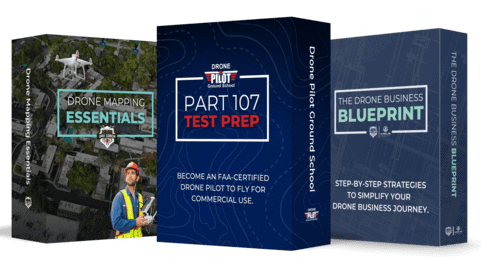
That’s why we created The Drone Business Blueprint, a course that covers what drone pilots need to know to start and scale a drone business.
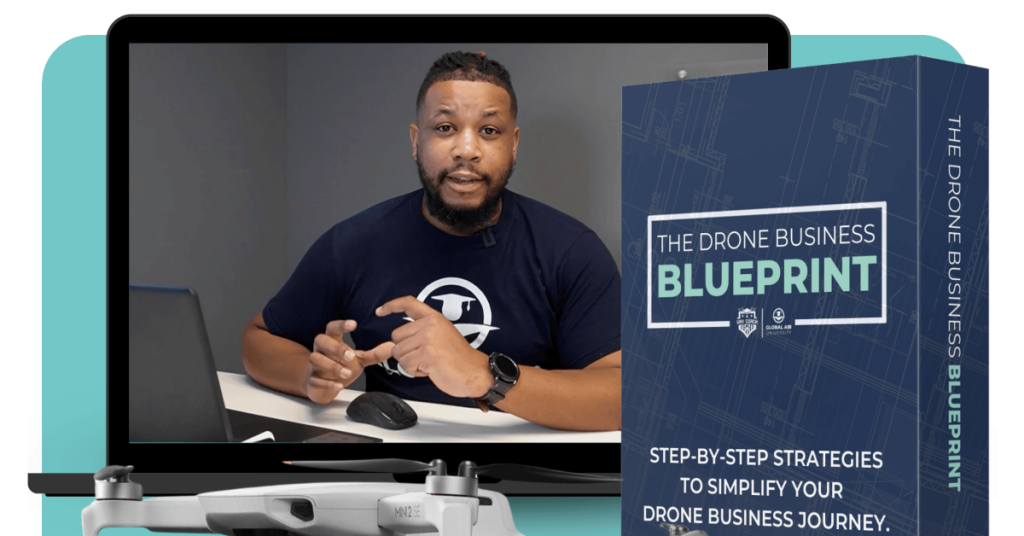
Starting a drone business is really challenging. In addition to knowing how to fly you need to learn business fundamentals, which includes marketing, sales, branding, and how to manage a website. Now, through The Drone Business Blueprint, drone pilots can follow a tested, step-by-step process to get their business off the ground.
– Eno Umoh, Founder of Global Air University and Course Instructor for the Drone Business Blueprint
The course includes: