Should You Buy a DJI Drone Right Now? What Pilots Need to Know
BY Zacc Dukowitz
21 January 2026DJI drones aren’t going away.
You can still buy all the DJI models that ever got FCC approval, from the new DJI Mini 5 Pro all the way back to the DJI Mavic 2 Pro.
And DJI’s 2026 lineup will mostly be available in the U.S.—including the unreleased Avata 360 and the Lito X1—because the company managed to get FCC approval for them late last year.
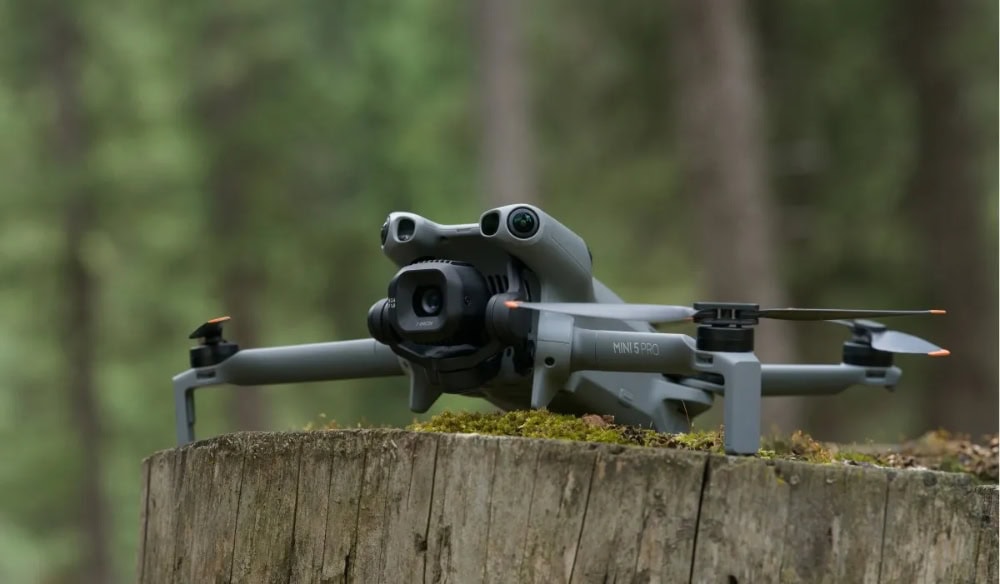
The Mini 5 Pro
Despite this good news, things will be changing.
Going forward, DJI is unlikely to get FCC approval for new drones or drone components. This means that a future Mini 6 Pro won’t be available here, and U.S. drone companies that rely on Chinese components won’t be able to get the newest versions.
It also means that, as time passes, the supply of DJI drones in the U.S. may dwindle.
So should you buy a DJI drone right now? The answer really comes down to your specific needs—keep reading for our advice.
How to Decide Whether to Buy a DJI Drone
To help you choose, below we cover practical tips for four drone pilot personas—small business owners, industrial operators, public safety pilots, and recreational flyers.
Here’s the overview:
| Persona | Buy DJI Now? | What Makes Sense | Biggest Risk to Avoid |
|---|---|---|---|
| Small drone businesses | Yes, if needed | Proven tools that directly earn revenue | Fear-driven overbuying |
| Industrial operators | Often yes | Stabilizing and refreshing existing fleets | Waiting on future models |
| Public safety & DFR | It depends | Maintaining approved, consistent platforms | Breaking compliance paths |
| Recreational flyers | Optional | Buying only if already planned | Panic purchases |
1. Small Drone Businesses
Should you buy? Yes—if the new drone is needed to make money.
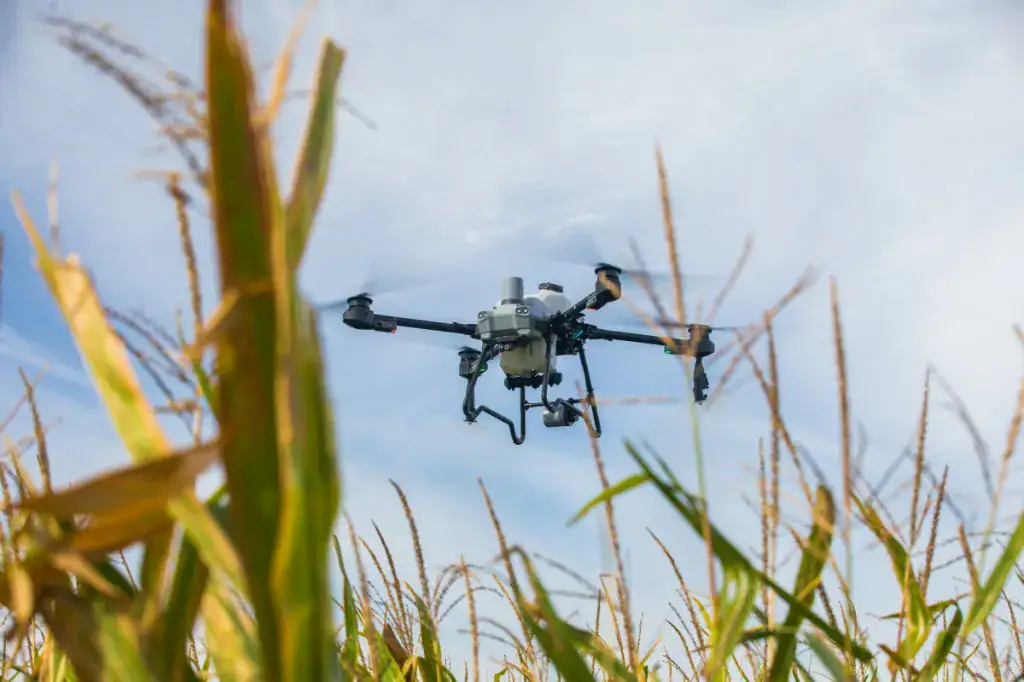
Credit: DJI
The decision about whether to buy DJI right now comes down to business fundamentals.
Will that new drone help you get more work? Will it pay for itself?
If the answers are yes, buying now makes sense.
But if you’re unsure, here are three considerations to help you evaluate the decision:
1. When buying DJI makes sense right now for small business owners
- You have booked or near-term work that depends on reliable equipment
- Your current drone is aging, frequently grounded, or limiting the jobs you can take
- The purchase can reasonably pay for itself within the next 6–12 months
2. When it’s better to wait
- You fly infrequently or only take on occasional, opportunistic work
- Your current drone(s) still meet your operational and client needs
- You’re considering an upgrade without a clear path to earning back the cost
3. What small drone business owners should avoid right now
- Buying multiple drones “just in case” without a specific use planned
- Upgrading primarily out of fear rather than operational necessity
- Tying up cash that could support your business in other ways
2. Industrial Operators
Should you buy? Often yes—if DJI drones are central to your inspection workflows.
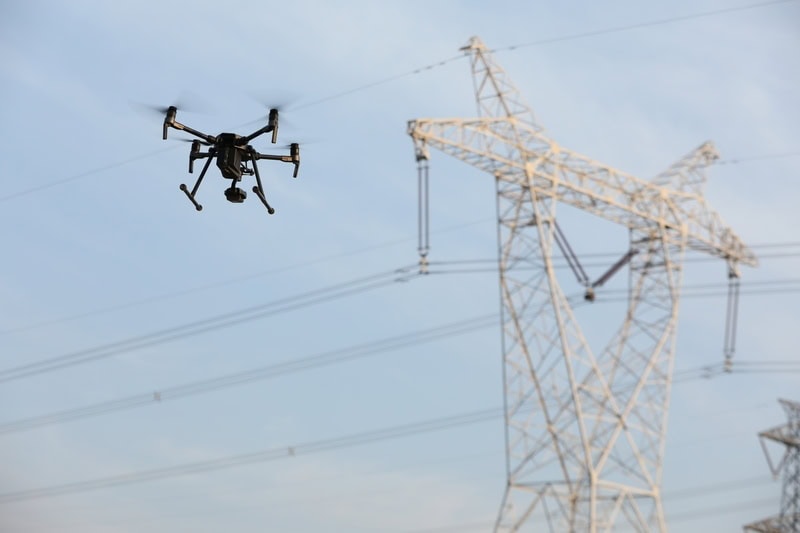
Credit: DJI
For industrial teams, the decision about whether to buy DJI right now is operational.
Does your inspection program currently rely on specific DJI drones? Are there new DJI drones that you need to do your work?
If you answer yes to these questions, buying now makes sense.
But if you’re on the fence, here are three considerations to help you evaluate the decision:
1. When buying DJI makes sense right now for industrial operators
- Your inspection workflows depend on specific DJI airframes or payload ecosystems
- You need predictable fleet capacity over the next 12–24 months
- Replacing or adding aircraft now would reduce the risk of downtime or missed inspections
2. When it’s better to wait
- Your program is already transitioning away from DJI
- You do not have near-term inspections that require additional drones
- Future purchases would introduce inconsistency across teams or sites
3. What industrial operators should avoid right now
- Waiting on future DJI models that may not have a clear path to U.S. availability
- Allowing fleet standardization to erode across teams or regions
- Underestimating the time and cost required to retrain teams on new platforms
3. Public Safety & DFR
Should you buy? It depends—primarily on budget approvals, procurement cycles, and agency direction.
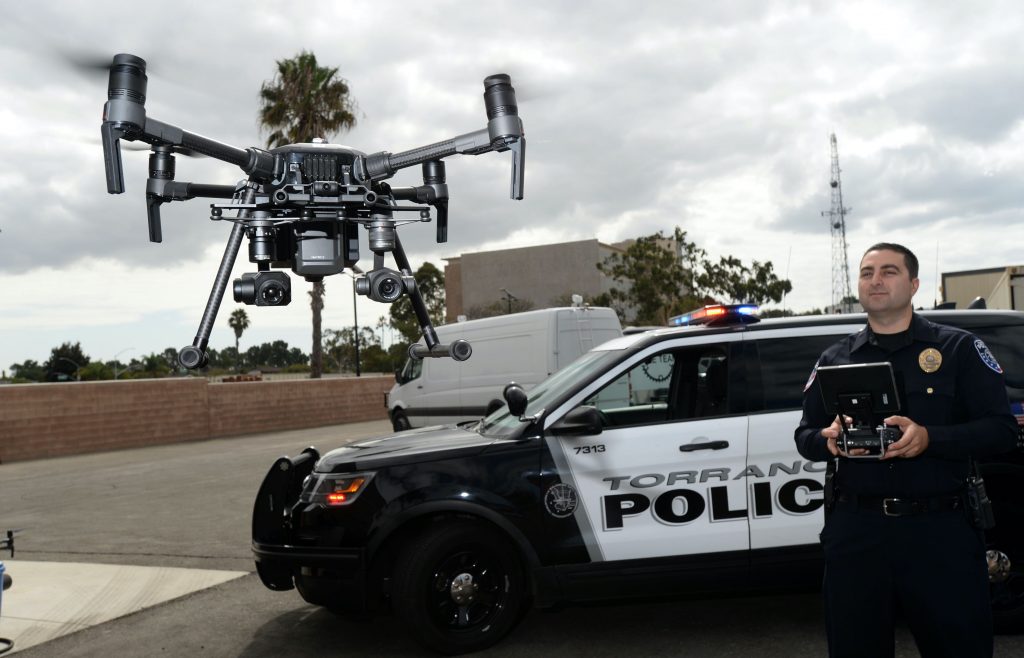
Credit: DJI
Public safety agencies have been navigating DJI-related constraints longer than most, often under formal procurement rules, grant requirements, and internal compliance reviews.
The key question isn’t whether DJI drones work for your needs. It’s whether buying more DJI drones will align with your agency’s approvals and long-term transition plans.
Here are three considerations to help you evaluate the decision:
1. When buying DJI makes sense right now for public safety operators
- You already fly DJI drones that are approved for use within your agency
- Maintaining fleet consistency is critical for training, readiness, and response
- Additional drones are needed to support staffing levels or active mission demand
2. When it’s better to wait
- Your agency is in the middle of transitioning to non-DJI platforms
- New purchases would complicate future compliance or reporting requirements
- Procurement timelines or grant restrictions limit flexibility in the near term
3. What public safety and DFR programs should avoid right now
- Expanding DJI fleets in ways that conflict with stated agency direction
- Introducing mixed platforms that increase training and operational complexity
- Making rushed purchases that bypass established procurement or approval processes
4. Recreational Flyers
Should you buy? Maybe—but only if you were already planning to.
Credit: DJI
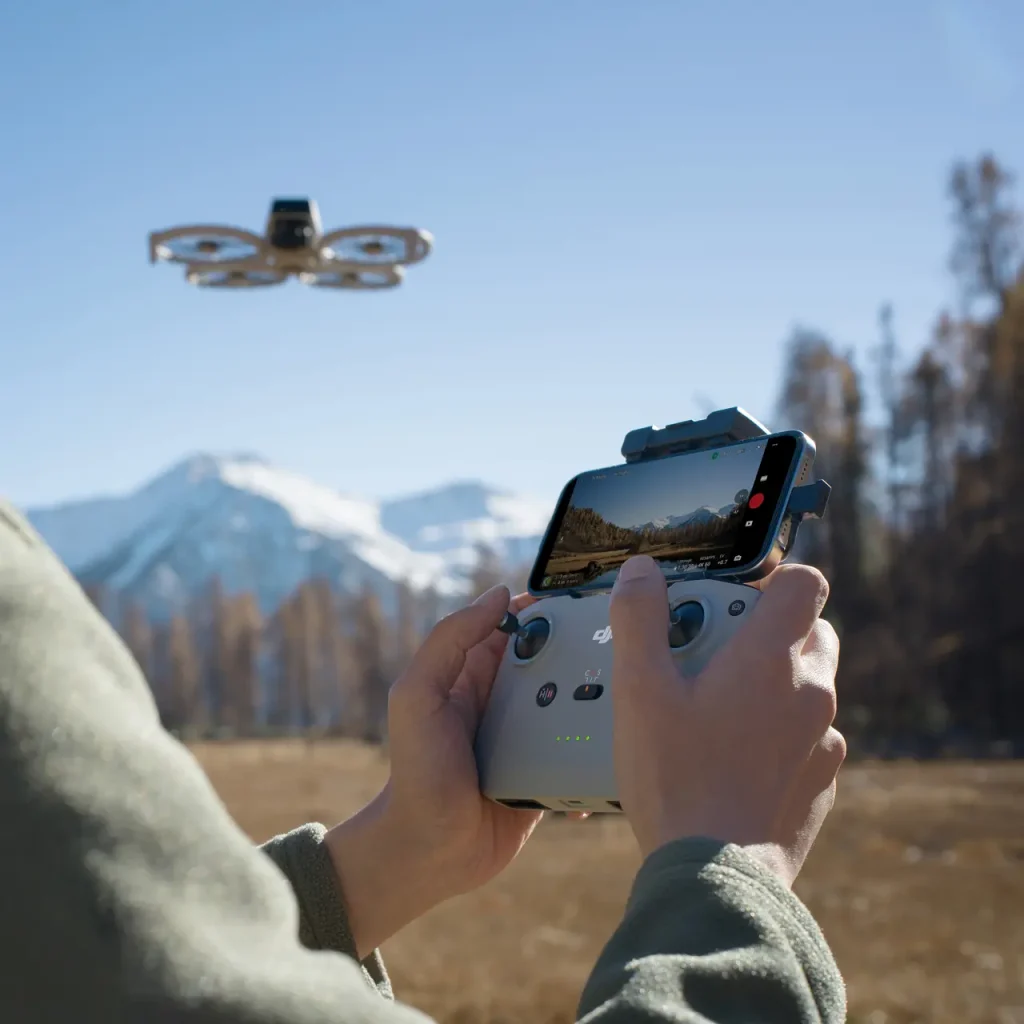
For recreational flyers, the current uncertainty around DJI is mostly noise. Under current rules, all existing DJI drones that already received FCC approval remain legal to fly.
The decision to buy right now should be based on how much you fly and what you want to do with your drone, not on headlines or hype.
If you’re feeling a little lost, here are three considerations to help you evaluate the decision:
1. When buying DJI makes sense right now
- You were already planning to buy your first drone or upgrade an older one
- Your current drone no longer meets your needs
- You want to take advantage of currently available models without urgency
2. When it’s better to wait
- You’re happy with the drone you already own
- You only fly occasionally and don’t feel limited by your current setup
- You’re unsure how much you’ll actually fly in the coming months
3. What recreational flyers should avoid right now
- Buying a drone out of fear that it may become unavailable
- Buying more features or accessories than you realistically need
- Assuming you need to act quickly to keep flying for fun
The Future of DJI in the U.S.
Uncertainty around future DJI drones is real. But it’s uneven, and it’s unfolding over time.
Because the FCC has effectively frozen authorizations for new foreign‑made drones, the main variable now is how quickly current inventories and fleets evolve, not whether your existing drone will suddenly stop working.
The drone pilots who navigate this moment best won’t be the ones who perfectly predict the future. They’ll be the ones who match decisions to real needs, protect short-term capability, and stay flexible as the market evolves.
For now, that means making calm, practical choices one drone, one program, and one mission at a time.